No Account Casinos in the UK: What the Label Means
 Available in GB

The label can mean a shorter sign-up journey, not an account-free route through play and withdrawals.
Table of Contents
- What “no account” really means when you play online
- Bonus terms: the small print that changes the offer
- The UK rules behind no-account casino claims
- A practical guide to checks before you can withdraw
- Playing for real money on mobile: deposits are not withdrawals
- What “without an account” can—and cannot—remove
- New no-account casinos: check the claims, not the launch label
- Free spins and no-deposit credit: read the conditions first
- Trustly and no-account play: separate payment from verification
- Paysafecard and no-account casinos: what this page can verify
What “no account” really means when you play online
“No account” sounds like you can arrive, play and leave without giving a casino any details. That is not what the label reliably promises. In practice, it can describe a shorter sign-up journey: fewer boxes to fill in before you reach the games, or a process that uses information supplied during another part of the journey to set up access. The wording describes how the front door feels, not necessarily what happens behind it.
I used to read “instant play” as “nothing else to do”. That was a mistake. A smoother first screen is not the same as an absence of an account, and it certainly does not mean a casino has no reason to ask who you are. Sometimes the account is simply less visible at the start. You may still have login details, an account area, limits and a balance attached to your play, even if the first visit did not look like a conventional registration form.
If you’re considering a no-account casino in the UK, payout speed is one practical detail to check. Use the listed timeframe as a point of reference when reviewing your options.
1. x3bet
Payout speed: 1-3 business days x3bet has a listed payout speed of 1–3 business days, giving you a timeframe to consider.
2. EvoSpin
Payout speed: 1-3 business days EvoSpin has a listed payout speed of 1–3 business days, giving you a timeframe to consider.
3. BeOnBet
Payout speed: 1-3 business days BeOnBet has a listed payout speed of 1–3 business days, giving you a timeframe to consider.
4. NightLuck
Payout speed: 1-3 business days NightLuck has a listed payout speed of 1–3 business days, giving you a timeframe to consider.
5. Revery Play
Payout speed: 1-3 business days Revery Play has a listed payout speed of 1–3 business days, giving you a timeframe to consider.
6. Chanze
Payout speed: 1-3 business days Chanze has a listed payout speed of 1–3 business days, giving you a timeframe to consider.
7. Britsino
Payout speed: 1-3 business days Britsino has a listed payout speed of 1–3 business days, giving you a timeframe to consider.
8. SpinFormula
Payout speed: 1-3 business days SpinFormula has a listed payout speed of 1–3 business days, giving you a timeframe to consider.
9. SlotoSport
Payout speed: 1-3 business days SlotoSport has a listed payout speed of 1–3 business days, giving you a timeframe to consider.
10. WinBeast
Payout speed: 1-3 business days WinBeast has a listed payout speed of 1–3 business days, giving you a timeframe to consider.
There are a few different things a site might mean when it says you can play without an account. It may let you try games in a free-play mode without opening a real-money account. It may offer a quicker route into real-money play, with details entered in a more compact sequence. Or it may use “no account” loosely to mean that you do not have to complete a long form before seeing the lobby. Those are different experiences, so I would not treat the label as a precise description of the service.
The free version is the easiest to misunderstand. A free online casino experience may let you explore games without depositing or making a real-money balance available. That can be useful for getting a feel for the layout, but it does not tell you that real-money play works the same way. The moment money is involved, the operator’s process can change. A casual demo and a real-money session are not interchangeable.
The other common meaning is reduced registration friction. Instead of stopping at a long form, a casino may ask for information in stages or make the initial step feel brief. That can be less tedious. It can also leave you with the impression that you have finished setting everything up when you have only started. I now look at what the process actually asks me to do, rather than trusting the slogan.
£1 Minimum Deposit Casinos in the UK: What to Check
A “casino with no account” can also be a casino where an account is created or linked as part of the journey rather than through a separate, obvious sign-up page. From the player’s side, that can feel account-free because there is no familiar registration moment. But if the site keeps a balance, records activity or gives you a way to return to your play, the practical distinction may be smaller than the advertising makes it sound.
What matters is whether you can understand the steps before committing money. Can you tell when access is for free play and when it is for real-money play? Is it clear what details are being requested and why? Can you find the account area and see how to manage your play? Those are more useful questions than whether a button says “register”, “play now” or “continue”. The button is marketing. The journey is the thing.
I also separate “quick to start” from “no checks”. They are not synonyms. A process can be streamlined at the beginning and still involve questions later. Identity or payment-ownership questions can arise before a withdrawal, even if the initial route felt almost effortless. That is the point at which the “no account” promise can feel very different from what you thought you were agreeing to.
I once treated a quiet sign-up screen as proof that the rest would stay simple. It did not. The useful lesson was not to assume every short process hides a problem; it was to stop treating a short process as a promise about every later step. Read the wording around access and account management, and keep a copy of anything that explains how the service works. A little attention up front can prevent a surprise when you want to return or take money out.
Attention: A streamlined sign-up process is not a promise that later steps, such as identity checks before withdrawal, will also be simple.
That does not mean every service using the phrase is identical, or that the label alone tells you whether a casino is suitable. It means the phrase is too broad to make the decision for you. One site might mean free games without a real-money account; another might mean a quicker route into a conventional account. The same headline can cover very different arrangements.
So when I see “no account”, I translate it as “possibly less form-filling at the start” until the actual terms and steps show me more. That is less exciting than the headline. It is also a much safer way to read it.
Bonus terms: the small print that changes the offer
A bonus can make a casino look more generous than it is. I’ve learned not to judge one by the headline: the useful details are what you must wager, which games count, when the offer expires and what happens when you try to withdraw. “No account casino bonus” may sound like a simple extra attached to a quick sign-up, but the label tells you little about whether the offer suits the way you play.
For Great Britain-facing incentives, a specialist review of the 2026 rules reports a cap of 10 times the bonus funds on wagering requirements, with the change taking effect on 19 January 2026. Treat that as a rule to check against the operator’s current terms, rather than assuming every offer has identical conditions. The cap concerns wagering attached to bonus funds; it does not tell you which games qualify, how long an offer lasts or whether a particular withdrawal condition applies.
£2 Minimum Deposit Casinos in the UK: What to Check
That distinction matters. A limit on wagering does not make every bonus straightforward. The live promotion and its full terms are still where you should look for the conditions of that specific offer. If the headline and the detailed terms seem to describe different deals, pause and work out which conditions apply before opting in.
Check what you must do
Wagering requirements describe how much play is required before bonus funds, or winnings linked to them, can be withdrawn. Read the wording closely: it should make clear what balance the requirement applies to and what needs to happen before a withdrawal is available. Don’t assume that seeing money in your account means it is ready to cash out.
Also check whether the offer has a maximum win cap and whether that information is visible alongside the bonus conditions. If a term is unclear, don’t fill in the gap with the most favourable interpretation. I’ve found that’s an easy way to talk myself into an offer I haven’t actually understood.
The rules also prevent a single incentive from combining more than one gambling product type. So if a promotion seems to bundle different kinds of gambling under one set of bonus conditions, check how the operator has defined the offer and whether its terms match that restriction. The wording matters; a broad label on a banner is not a substitute for the actual terms.
Do
- Read the full terms for wagering and expiry
- Check which games qualify for the bonus
- Verify the maximum win cap
Don’t
- Trust the bonus headline alone
- Assume every game contributes to wagering
- Use the most favourable interpretation of unclear terms
Games, expiry and withdrawal conditions
A slot may be eligible for a bonus while another game is excluded, or different games may contribute differently towards wagering. Check the live terms for eligible games and contribution rules rather than assuming every title counts in the same way. “No account slots” is not a useful shortcut for this: the offer’s own game list and rules determine what qualifies.
Expiry is another detail that can change the value of an incentive. Look for when the promotion must be claimed, when bonus funds or spins must be used, and when any wagering requirement must be completed. These are separate questions, and a page that highlights one date may not answer the others. If the deadline or the consequences of missing it are not clear, don’t treat the bonus as cash you can use whenever you like.
Then read the withdrawal conditions. They should explain what happens to unused bonus funds, how winnings are treated and whether completing the wagering requirement is enough to make a withdrawal available. A promotion can have a modest-sounding headline and still be restrictive if its cash-out terms are easy to miss. Small print counts.
Don’t let a list do the checking
A list of no account casino sites, a no account casinos list or a page describing sister sites can help you find names, but it cannot establish that a particular bonus is current or suitable. Offers change, and a description copied from somewhere else may not match the operator’s live promotion. I wouldn’t choose an incentive just because several pages repeat the same headline.
The same goes for a deposit bonus or a no-deposit promotion. Check that the offer appears in the casino’s official terms, then read the full conditions before accepting it. If you’re comparing offers, compare the wagering, eligible games, expiry and withdrawal rules—not just the wording that promises a bonus.
£3 Minimum Deposit Casinos in the UK: What to Check
Bitcoin or other payment-related wording does not change the bonus conditions either. A casino’s payment options and its promotion terms are separate things. Don’t infer that a particular bonus applies because a page mentions a payment method, or that a payment method makes wagering easier to complete.
When I’m unsure, I leave the offer alone until I can understand its terms. No bonus is worth treating an unclear condition as harmless. Read it first.
The UK rules behind no-account casino claims
“No account” describes a way a casino presents its sign-up or payment journey. It does not create a separate legal category. If a service offers remote casino gambling to people in Great Britain, the operator’s obligations do not disappear because the customer can start playing through a shorter process or a payment-led route. The label is about the experience being advertised; the licence is about whether the business may offer the gambling.
The UK Gambling Commission regulates gambling activity across the United Kingdom, including online casinos. For commercial gambling in Great Britain, it is the sole regulator. That matters when a site uses language such as “instant play” or “no account”: neither phrase is a substitute for the permission required to serve customers in the market.
The key point is where the service is offered, not where the operator has placed its computers. The Commission’s reach over remote gambling offered to consumers in Great Britain applies regardless of the location of the equipment used to run the service. A company cannot make the British licensing question go away simply by operating its platform or hosting its technology elsewhere.
That can be easy to miss when a casino’s branding focuses on convenience. A polished app, a quick deposit flow or a promise of fewer forms can make the business feel like a payment product rather than a gambling operator. But the underlying activity remains remote gambling. If the service is being offered to consumers in Great Britain, the relevant Gambling Commission permission still matters.
£4 Minimum Deposit Casino UK: What to Expect
What the licence applies to
The Commission issues operating licences to businesses and personal licences to individuals who operate within the Great Britain system. Those are different kinds of permission: one concerns the business offering gambling, while the other concerns people in relevant operating roles. For a player assessing a casino, the central question is whether the business has the appropriate operating licence for the gambling it provides.
I would not treat “no account” as proof either way. It does not establish that a casino is licensed, and it does not establish that it is unlicensed. It tells you how the operator describes the customer journey. The licensing position has to be considered separately.
This is why a phrase like “casino no account” can be misleading if it is read as a promise that the operator sits outside ordinary rules. A casino may use a streamlined route, but that does not change the nature of its service. A remote operator serving Great Britain still needs the relevant Commission licence.
The same applies when the offer is presented as an app. An app is a way to access the service, not a different regulatory status. A no-account casino app does not become exempt just because the customer taps through a phone rather than using a desktop website. The question remains whether the business is offering remote gambling to consumers in Great Britain.
Why location claims can distract
Some casino pages emphasise that a company is based abroad, uses international infrastructure or serves customers in several countries. Those details may describe the business, but they do not answer the British licensing question. The Commission’s rules for remote gambling offered to Great Britain consumers are not switched off by the location of key equipment or the operator’s stated base.
That distinction is useful because “available online” and “authorised for this market” are not the same claim. A website being reachable does not itself tell you whether the business holds the permission required to offer gambling here. Nor does a fast route into a game settle that question.
Being available online or having a fast entry route does not mean a casino is authorised to offer gambling in the Great Britain market.
The wording on a site can be confident while still leaving the important point unanswered. I have learned not to let a frictionless screen do the thinking for me. “No account” may sound like a regulatory workaround; it is not one. The format of the customer journey and the operator’s legal permission are separate matters.
There is also a difference between the Commission regulating gambling activity and issuing permissions to businesses and individuals. Its role is not simply to approve a website’s design or payment flow. The operating licence relates to the business offering the gambling, while personal licences apply to relevant individuals operating in Great Britain. A label on a landing page cannot replace either category of permission where it applies.
For a reader comparing no-account casinos in the UK, the sensible starting point is therefore not whether the first screen asks for many details. It is whether the operator is authorised to provide the relevant remote gambling service to Great Britain consumers. That legal context applies to a conventional sign-up and to a journey advertised as account-free.
Casino Not on GamStop Instant Withdrawals Explained
The phrase can still describe a genuine difference in how the service begins. It just cannot, by itself, rewrite the rules governing the operator. Smooth entry is not a licence.
A practical guide to checks before you can withdraw
A simple-looking sign-up can make cashing out seem like a button press. In practice, a casino may ask questions about who you are or who owns the payment method before releasing a withdrawal. That can catch you off guard if you assumed that getting as far as playing meant every check was finished.
I used to treat a smooth deposit as proof that the money would come back just as smoothly. That was the wrong assumption. A deposit confirms that a payment went in; it does not necessarily settle every question about the account or the person requesting a payout.
What may be checked
The request may concern your identity, your payment details, or whether the payment method belongs to you. The exact checks can differ between operators and circumstances, so there is no single checklist that applies to every cash-out. The important point is that a request for more information can arise at withdrawal, even when the earlier account journey felt minimal.
If you are asked to confirm something, read the request carefully and answer the question it actually raises. A request about payment ownership is not the same as a request to explain a game result. Guessing what the operator wants, or sending unrelated information, is unlikely to make the process clearer.
Keep your account details accurate from the start. If the name or other details you use do not line up with the information connected to your payment method, that mismatch may need explaining. It is not proof that anything improper has happened, but it can turn a routine request into a longer exchange. Check before depositing, not when a withdrawal is already waiting.
Small detail. Big delay.
Before you request a payout
Before confirming a withdrawal, look over the account information and the payment option you selected. Make sure you understand what the casino is asking you to confirm and whether it has given you a secure way to respond. If anything is unclear, use the operator’s own support channel and keep the conversation focused on the specific check.
Prepare for Withdrawal
- Review your account information for accuracy
- Confirm the selected payment option
- Use official support channels for clarifications
- Keep a record of all submitted documents
It also helps to keep a record of what you have submitted and when, without sending the same material repeatedly. If support asks for something you have already provided, point that out calmly and ask whether it needs to be supplied again or in a different way. Avoid sharing sensitive details through an unfamiliar link or an unsolicited message; go back to the casino’s official account area to find its instructions.
Do not assume that a request means your withdrawal has been refused. A check can mean the operator needs to resolve a question before proceeding. Equally, do not treat a reassuring status label as a guarantee that no further questions will follow. Until the money reaches you, the payment journey is not finished.
If the request surprises you
Pause before making another deposit to try to “unlock” a payout. A new deposit does not answer an identity or ownership question. Instead, ask what remains outstanding, what information is needed, and how the operator will confirm that it has received it. Keep copies of relevant messages so you can follow the thread rather than starting from scratch each time.
If the answer is vague, ask for a plain explanation of the issue and the next step. You do not need to guess at the operator’s internal process. A clear response should tell you what the request relates to, even if the check itself takes time.
The practical lesson is simple: judge the account journey by the cash-out as well as the sign-up. A low-friction start can still lead to questions later. Check your details early, use the official channel, and keep the paper trail tidy. No shortcuts there.
£5 Minimum Deposit Casinos in the UK: What to Check
Playing for real money on mobile: deposits are not withdrawals
Pay by mobile can make a deposit feel almost frictionless: the charge appears on your phone bill or comes out of prepaid mobile credit, rather than passing through a bank card checkout. But that convenience stops at the deposit. You cannot have casino winnings sent back to your phone bill.
That distinction is easy to miss when a payment logo is prominent. I used to read “mobile-friendly” as if it described the whole money journey. It may only describe how you put money in. The casino’s cashier should state which methods it accepts for deposits and which it supports for withdrawals; check both before choosing how to fund play.
For UKGC-licensed sites, withdrawals must be processed through another route, such as a bank transfer, debit card or regulated e-wallet. The method you used to deposit may not be available for withdrawals, so you might need to select a different option in the cashier. Don’t assume that seeing a payment method at checkout means you can use it to cash out.
There can also be caps on pay-by-mobile spending. A specialist payment-method review reports a £30 limit for a single Boku deposit and a £240 monthly ceiling for carrier billing. Treat those figures as reported limits, not a promise that every operator or mobile network will apply the same terms. Check the current amount shown by the casino and your carrier before relying on it.
No Minimum Deposit Casinos in the UK: What to Check
Those ceilings can be useful friction if you are trying to keep deposits contained, but they are not a complete spending plan. A mobile-billed deposit may still be gambling money you can lose, and a limit on one payment route does not tell you what other routes are available. I would set my own budget first, then treat the payment cap as a backstop—not as permission to use the full amount.
On a phone, the cashier can be harder to inspect than on a larger screen. Before confirming, look for the payment method’s name, the amount being charged, any stated limit and the withdrawal options. If those details are hidden behind several steps, pause and check the operator’s payment information rather than guessing.
Trustly may appear in searches for account-light casino payments, but that does not make it a type of pay-by-mobile billing, nor does it promise that a particular casino supports it. Payment options differ between operators. Check the cashier directly, and keep deposit and withdrawal routes separate in your mind. A quick deposit is only one half of the transaction.
What “without an account” can—and cannot—remove
“Without an account” sounds like the casino has made the whole process disappear. In practice, the claim is about reducing the amount of registration you do at the start. It is not a promise that you can gamble anonymously or skip checks.
I used to read the phrase as “no forms, no questions”. That was the wrong bit to focus on. A shorter sign-up can mean fewer details to enter before you reach the games, but the operator still has to establish who is playing and confirm they are old enough. Convenience is not an exemption.
For a UKGC-licensed casino, age and identity verification still apply. The operator must check a customer’s age before allowing a deposit, and identity checks do not vanish because the first screen is brief or a payment flow feels automatic. If a service says “no account” in large letters, look for what it actually asks you to do before play and what may be required later. The label alone tells you very little.
There is also a legal boundary behind the wording. A remote casino taking customers in Great Britain needs permission from the Gambling Commission to do so. A simplified journey does not change that requirement, and it does not turn an unlicensed service into a lawful option for British players.
The useful distinction is simple: less registration friction may be possible; no age or identity responsibility is not. I’d treat “without” as a description of the sign-up experience, not as a guarantee that the operator will never ask for information. If the wording implies that checks are unnecessary, that is a reason to pause, not a perk.
Small print matters. So does the operator’s explanation of what “without an account” means in its own process. If that explanation is hard to find, or seems to promise play without checks, don’t fill in the gaps with the most flattering interpretation. That is how a neat slogan becomes a nasty surprise.
New no-account casinos: check the claims, not the launch label
A casino calling itself “new” is making a claim about its launch, not proving that it is suitable for play. I’ve learned not to treat fresh branding, a polished page or a smooth-looking sign-up as evidence of anything beyond good presentation. The label tells you very little about whether the operator can legally serve you.
Same-day payout casinos in the UK: what to expect
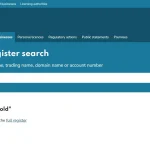
For a casino aimed at players in Great Britain, the key check is whether the remote operator holds the relevant Gambling Commission licence. Look up the operator on the Commission’s public register, rather than relying on a badge or a line of text on the casino’s own site. Make sure the entry relates to the business behind the casino and the site you are considering; a similar trading name is not enough to establish that it is the same operator.
That check matters more than the word “new”. Remote operators serving consumers in Great Britain need the relevant licence, wherever their key equipment is based. If you cannot connect the casino’s name and domain to the licensed operator, pause instead of filling in the gap with an assumption. A fresh launch does not create an exception.
I’d also separate what can be verified from what is merely being promised. “New” may be used in advertising to make a familiar operation sound like a fresh discovery, or to suggest that a recently launched site is automatically more appealing. Neither interpretation tells you whether the operator has the licence needed for the British market. Check the licence first; treat launch language as marketing.
This is not a guarantee that every part of the experience will suit you. It is a basic threshold check, not a personal recommendation. If the licensing information is unclear, or the details do not match, I would leave the site alone until the operator’s status can be established. No need to rush.
Free spins and no-deposit credit: read the conditions first
“Free” is the word that catches your eye; the rules decide whether the offer is worth your time. A specialist review describes no-deposit spin offers in the range of 10–30 spins, usually tied to named slots. Treat that as a reported snapshot, not a promise that you will find the same deal when you visit a casino.
No-deposit credit is another format. A specialist review puts these offers at £2–£10 and reports wagering requirements of 30–60 times the bonus. Those figures can make a small headline amount look less generous once you work out what must happen before any winnings can be withdrawn. The offer might also restrict which games count and set conditions on cashing out.
I’ve clicked through on the headline before and only later noticed that the attractive part was the easy-to-read number, not the conditions attached to it. Not my finest move.
Only treat an offer as current if it appears in the casino’s live, official promotion terms. Check that the terms match the exact spins or credit being advertised, then look for the eligible game, wagering requirement, expiry and withdrawal conditions. A promotion mentioned elsewhere may be out of date or may describe a different offer.
The practical question is not simply how many spins or how much credit you get. It is what you must do to qualify for a withdrawal, and whether the stated conditions make sense for you. If that detail is hard to find, pause before opting in. A bold headline is not the deal.
Jackpot Mobile Casinos in the UK: Slots and Rules
Trustly and no-account play: separate payment from verification
Trustly may be presented as a way to make a casino payment without a lengthy sign-up, but that describes the payment flow, not the checks attached to a gambling account. A familiar bank-payment route does not, by itself, establish that you can play without an account or that identity checks have been waived.
I used to treat a smooth deposit screen as a sign that the whole process would be just as simple. That was the wrong thing to infer. Before a withdrawal, a casino may ask questions about identity or whether the payment method belongs to you. So even if Trustly appears during a deposit, be prepared for the operator to ask for information later.
There is another practical distinction: the route used to deposit is not necessarily the route available for cashing out. UKGC-licensed sites must process withdrawals through an alternative method, such as a bank transfer, debit card or regulated e-wallet. Check the casino’s current payment and withdrawal information before depositing; do not assume that money can return through the same service just because it arrived that way.
“Account-free” can sound like a shortcut. In practice, the useful question is what the operator asks you to provide, and when—not whether a payment button makes those requirements disappear. If a site’s wording leaves that unclear, pause and get the answer from its own terms or support before sending money.
Keep the two things separate in your head: Trustly is a payment option where offered; verification and withdrawal arrangements are a different part of the experience. Less confusion. Less regret.
Paysafecard and no-account casinos: what this page can verify
If you want to use Paysafecard at a casino advertising “no account” play, keep two separate questions in view: whether the operator is authorised to serve Great Britain, and whether that particular payment method is available on its site. One does not prove the other.
The reliable check here is the operator’s licence. Remote gambling businesses serving consumers in Great Britain need the relevant Gambling Commission licence. A payment logo or a promise of a shorter sign-up is not a substitute for that. I used to read payment badges as a kind of reassurance. They aren’t. They tell you what the operator wants you to notice, not whether it has the required permission.
I can’t make a dependable promise that Paysafecard will be offered, accepted for a particular transaction, or usable for withdrawals at any casino. Those details need to be checked with the operator, and they can differ between sites. Treat “Paysafecard accepted” as a claim to confirm, not as proof that every part of the account journey will work the way you expect.
Before depositing, identify the business behind the casino and check that its Gambling Commission licence applies to the operator serving Great Britain. If you cannot establish who runs the site or verify the relevant licence, don’t let a familiar payment name settle the question for you.
That is the useful distinction: Paysafecard may be the feature you’re looking for, but licensing is what this check can establish. No shortcut.
Can you withdraw to your phone bill when paying by mobile?
No. Pay-by-mobile is for deposits only; withdrawals cannot be returned to your phone bill.
Is LuckyPays licensed by the UK Gambling Commission?
No LuckyPays entry, including under luckypays.io, appears in the UK Gambling Commission public register dated 26 September 2026.
Which payment types are listed?
The listed options include mobile carrier billing through Boku or Payforit, bank transfer, debit card and regulated e-wallets.
What is the maximum wagering requirement in Great Britain?
For Great Britain-facing incentives, wagering requirements on bonus funds are capped at 10 times from 19 January 2026.
Casino Finder

£1 Minimum Deposit Casinos in the UK: What to Check
A £1 cashier minimum is distinct from a bonus threshold, and payment methods may set...

£10 Minimum Deposit Casinos in the UK: What to Know
A cashier minimum is only an entry threshold; payment methods, bonus terms and withdrawal floors...

£2 Minimum Deposit Casinos in the UK: What to Check
A low cashier minimum only sets the entry point; payment routes, bonus terms and stake...

£20 Minimum Deposit Casinos in the UK
A £20 minimum is a cashier threshold, while payment rules, bonus conditions and real-money play...

£3 Minimum Deposit Casinos in the UK: What to Check
A low starting balance may be accepted by the operator but blocked by payment methods,...

£4 Minimum Deposit Casino UK: What to Expect
A small cashier minimum opens the door to real-money play, but payment options, game access...

£5 Minimum Deposit Casinos in the UK: What to Check
A casino’s minimum deposit sets the amount you can add, but welcome-offer terms decide whether...

Casino Apps in the UK: What to Check Before Playing
A casino’s mobile experience can vary by access method, while licence status, bonus terms and...

Instant Withdrawal Casinos UK: Payout Speed Explained
Withdrawal timing can depend on verification, bonus wagering, payment routes and the casino’s processing, so...

Mobile Casinos That Accept Phone Credit in the UK
Phone-credit deposits are collected through a mobile account, either on a later phone bill or...

Casino no ID verification in the UK: what it means
A practical guide to sign-up checks, payment limits, bonus terms and why identity checks can...

Casino Not on GamStop Instant Withdrawals Explained
Payout speed depends on more than an instant label: the request, payment route and casino...

No-ID Verification and Casino Withdrawals in the UK
A casino may delay document requests until later, but UKGC-licensed operators must verify age and...

Fast casino withdrawals in the UK: what affects speed
A practical guide to processing time, payment routes, verification, withdrawal limits and the gap between...

Jackpot Mobile Casinos in the UK: Slots and Rules
Jackpot labels cover different prize structures, while UK rules, payment checks and bonus terms can...

No Minimum Deposit Casinos in the UK: What to Check
A low cashier minimum can still come with limits on payment methods, slot stakes, bonuses...

Online Casino No Registration in the UK: What It Means
Browser play can avoid an app install, but access to games and real-money play are...

Online Casinos With No Sister Sites in the UK
Sister brands may share an owner or technology, but account rules, offers and protections do...

Quick Withdrawal Casinos in the UK: Payout Times
Withdrawal speed depends on when processing starts, the cashier route, and whether bonus wagering remains...

Same-day payout casinos in the UK: what to expect
A fast casino withdrawal depends on processing, payment route and account checks, so same-day access...

UK Online Casino Payouts: Understanding RTP
RTP describes a game's theoretical return across extensive play, not the result of an individual...