Non-UKGC Licensed Casinos: What UK Players Should Know
 Available in GB

This guide distinguishes UKGC authorisation from other licences and explains what offshore status means for access to the British market.
Table of Contents
- What a UKGC Licence Actually Tells You
- What “Non-UK-Regulated” Means in Practice
- The Legal Position for UK Players
- How Offshore Sites Handle Deposits and Withdrawals
- Reading “Best” Claims Without Buying the Hype
- GamStop Is Not a Safety Net on These Sites
- “Regulated” Depends on Which Licence You Mean
- The Risks Behind “Safe” Offshore Casinos
- When a Casino Is Not Licensed by the UKGC
- Checking an Anjouan Licence Before You Trust It
What a UKGC Licence Actually Tells You
A UKGC-licensed casino is an operator authorised to serve customers in Great Britain under the rules of the UK Gambling Commission. The key point is where its customers are, not where the company has its offices. An operator based abroad still needs a UK Gambling Commission licence if it serves the British market.
That gives you a useful starting point when a site calls itself “licensed”. I used to treat that word as if it answered every question. It doesn’t. You need to know which regulator issued the licence and what market the operator is authorised to serve. A licence from somewhere else is not a UKGC licence, even if the site is polished or its terms use reassuring language.
For a casino serving Great Britain, UKGC authorisation is not just a badge to display. It is the required permission to operate in that market. So when you see a claim that a casino is UKGC-licensed, the practical question is whether the operator itself holds the relevant licence—not whether its games, payment providers or software suppliers have their own credentials.
Casino Without a Swedish Licence: UK Rules Explained
I’d also keep the wording precise. “UKGC casino” is shorthand, not a separate category of games or a special type of account. It refers to a casino operator operating under the Commission’s authority. That distinction matters when a site uses broad claims such as “regulated” without making clear by whom.
A licence is a baseline, not a personal recommendation. It tells you the operator is authorised for the British market; it does not tell you whether you will like the games, terms or service. I find it helps to separate those questions rather than letting one familiar logo do all the thinking.
The rule is straightforward: if an operator serves customers in Great Britain, it needs a UK Gambling Commission licence, wherever it is based. That is the comparison point to keep in mind when looking at sites outside that system. Different framework. Different protections.
What “Non-UK-Regulated” Means in Practice
A non-UK-regulated casino is an online gambling site that operates without oversight from the UK Gambling Commission. That describes its relationship with the UK regulator; it does not, by itself, tell you whether the site has any licence at all. The distinction is easy to blur when a homepage displays a licence badge, but the badge needs to be read for what it is: a reference to a particular regulator, not proof of UKGC supervision.
Non-UK-Registered Casinos: What UK Players Should Know
I find it useful to separate two questions. First, is the casino overseen by the UK Gambling Commission? Second, does it operate under a licence from another jurisdiction? A site can answer no to the first and yes to the second. That is the broad category people mean when they talk about non-UKGC casinos. The words “licensed” and “regulated” can appear in the same sales pitch, but they do not automatically mean the same authority is responsible.
The regulator named on the licence
Non-UK-regulated casinos are typically licensed in jurisdictions such as Malta, Curacao, Gibraltar or Anjouan. Those names refer to different places and licensing frameworks. Seeing one of them in a casino’s footer may tell you where the operator says its authorisation comes from. It does not turn that authorisation into a UK Gambling Commission licence.
That sounds obvious written down. It is less obvious when a site uses polished language such as “internationally regulated” or puts a seal beside its payment logos. I used to treat the word “licensed” as if it settled the whole question. It does not. The useful follow-up is: licensed by whom? The jurisdiction is part of the description, not a decorative detail.
Nor does the broad label mean every casino in the category follows the same rules or offers the same level of oversight. “Non-UK-regulated” groups sites by the absence of UKGC oversight, not by a shared operator, identical licence, or common set of conditions. Two sites can both sit outside the UKGC system while referring to different licensing jurisdictions. The label tells you what they have in common, and little more.
Why the wording gets confusing
You may see “non-UK casino”, “international casino” or “casino licensed overseas” used as if each phrase were precise. In ordinary conversation, they often point towards the same general idea: a site operating outside UKGC oversight. But “non-UK” can also sound as though it only describes where a company is based. That is not enough to establish how a site is regulated. An operator’s location and the regulator named on its licence are related details, but they are not interchangeable.
A casino’s design, language, or use of pounds does not indicate its regulatory status; these are visual features, not proof of UKGC oversight.
The same goes for “UK casino”. A site may be accessible to someone in Britain, use English, or display pounds without those features showing which regulator oversees it. The category is about regulation, not the look of the website or the language of its menus. I learned to stop reading a familiar layout as reassurance. A UK-style design is still just a design.
“Non-UKGC online casino” is a more direct shorthand, although it can sound as if the site is necessarily unlicensed everywhere. That is not what the term means. Some non-UK-regulated casinos are licensed by another jurisdiction; the defining point is that they are not operating under UK Gambling Commission oversight. Conversely, the presence of another regulator’s name should not be mistaken for evidence of UKGC oversight.
A label, not a verdict
The phrase is best treated as a starting description rather than a recommendation. It identifies a regulatory category, but it does not tell you that a particular casino is trustworthy, suitable, or comparable with another site carrying the same label. A list headed “UKGC-licensed casinos” and a list of non-UK-regulated casinos describe different groups; the word “licensed” alone cannot tell you which group a site belongs to.
When I see a licence claim, I try to keep the wording literal. Which regulator is named? Is the claim about UKGC oversight, or a licence from somewhere else? Those questions prevent a foreign licence from being mentally filed under the wrong heading. No grand detective work. Just read the name.
Non-Gamban Casinos in the UK: What the Label Means
Malta, Curacao, Gibraltar and Anjouan are among the jurisdictions commonly associated with this category. Naming them gives you a map of the kinds of licensing arrangements that may appear, not a single standard that applies to every site. Their presence in a description should therefore be understood as context. It does not change what “non-UK-regulated” means: the casino operates without oversight from the UK Gambling Commission.
That distinction is the cleanest way to use the term. It is not a synonym for “scam”, and it is not a stamp of approval either. It tells you which regulator is absent from the picture, while a separate licence claim may identify another jurisdiction. Keep those two parts separate and the label becomes much less slippery.
The Legal Position for UK Players
I used to treat “not licensed by the UKGC” as if it automatically meant the player was breaking the law. That mixes up two different questions: whether an operator is allowed to serve the British market, and whether an individual customer commits an offence by placing a bet.
The Gambling Act 2005 is aimed at operators providing gambling services into the UK. It does not set out a specific ban on British citizens using gambling services licensed in another country. So a player does not commit a criminal offence under UK law simply by gambling on a site that lacks a UKGC licence.
That is a narrow legal distinction, not a green light. Operators offering gambling to customers in Great Britain are required to hold a UK Gambling Commission licence, wherever the business is based. A foreign licence does not replace that requirement or make the operator authorised to serve the British market.
Legal Distinction
While gambling on a non-UKGC site is not a criminal offence for the player, the operator is still required by law to hold a UKGC licence to serve the British market.
I’ve found it easy to read “the player isn’t committing an offence” as “there’s nothing to worry about”. Those are not the same thing. The operator’s regulatory position and the player’s criminal liability are separate matters; the first can be a problem even when the second is not. And the absence of a player offence does not amount to UK approval or endorsement of the service. A useful distinction. A limited one.
How Offshore Sites Handle Deposits and Withdrawals
The payment page is where a casino site without a UKGC licence can start to feel quite different from a UKGC-licensed casino. You may see familiar options such as bank transfers and e-wallets, alongside credit cards and cryptocurrency. Some sites use alternative payment processors, so the name shown at checkout may not be the casino’s own. I’ve learned not to treat a familiar logo as a promise that every part of a transaction will work in the same way.
A deposit is only one side of the arrangement. The payment method available when you put money in may not be available when you ask to withdraw, and a supported deposit method does not guarantee that the casino will pay out through that same channel. Before sending funds, read the cashier’s withdrawal instructions as well as the deposit options. Check whether the casino says you must use a particular route, and whether it may ask for another method if the original one cannot be used. Small detail, big difference.
Cryptocurrency is another option at some non-UKGC casino websites. It can bypass the UK ban on credit-card-funded gambling, but that does not make a payment risk-free or turn the casino into a UK-regulated operator. Crypto transactions also do not give you the familiar card-payment process to fall back on if there is a disagreement. I would not send money simply because the checkout makes it look quick; first work out what the site says about withdrawals and what records you will have of the transaction.
VPN-Friendly Casinos in the UK: What to Check
A less common possibility deserves careful wording. A specialist review has reported that some offshore sites allow deposits to be charged to a mobile phone bill or taken from a prepaid balance. That is a claim about particular services, not a standard option across casino sites outside the UKGC, and availability can change. If you see it offered, check the charge with the payment provider and the casino’s terms before confirming. A deposit that is easy to make can still be awkward to reverse or withdraw.
The wait after you request a payout
Withdrawal estimates are not consistent. Some descriptions of non-GamStop casinos give a range from 24 hours to 5 business days, with the payment method affecting the wait. Other accounts say a withdrawal at a non-UK-regulated casino can take three or four weeks. Those claims disagree, so a short estimate on a cashier page should not be treated as a reliable deadline. Outside the UKGC system, there is no UK regulatory clock enforcing a payout timetable.
That uncertainty matters most after you have clicked withdraw. A request may not be the same thing as money arriving in your account: the casino may need to process it, and the payment route can affect how long the transfer takes. Read the withdrawal terms before depositing, including any stated processing stages and the conditions for requesting payment. Keep copies of the terms and transaction details. If the rules are vague, that is worth noticing before your balance depends on them.
Attention: Withdrawal estimates at non-UK-regulated casinos can vary wildly, from 24 hours to several weeks, as there is no UK regulatory clock enforcing payouts.
Some specialist reviews also report that certain operators set daily, weekly or monthly withdrawal limits. Under those terms, a large win may have to be paid in instalments rather than in one transfer. This is not a rule that applies to every non-UK-regulated casino, so look for the limit in the particular site’s terms instead of assuming it from a headline or a payment-method list. A limit can change how long it takes to receive the full amount, even when the first payment is processed.
The practical check is simple: compare the deposit methods with the withdrawal rules, and look for any restriction that could affect access to your money. Do not assume that a bank transfer, e-wallet or crypto option is automatically available in both directions. The cashier may look straightforward; the terms tell you what happens after the deposit. No shortcuts.
Reading “Best” Claims Without Buying the Hype
If you’re exploring non-UKGC-licensed casinos in 2026, payout timing is one detail worth checking. This list gives you the stated payout speed for each operator.
1. x3bet
Payout speed: 1-3 business days x3bet lists a payout speed of 1–3 business days, giving you a stated timeframe to consider.
2. EvoSpin
Payout speed: 1-3 business days EvoSpin lists a payout speed of 1–3 business days, giving you a stated timeframe to consider.
3. BeOnBet
Payout speed: 1-3 business days BeOnBet lists a payout speed of 1–3 business days, giving you a stated timeframe to consider.
4. NightLuck
Payout speed: 1-3 business days NightLuck lists a payout speed of 1–3 business days, giving you a stated timeframe to consider.
5. Revery Play
Payout speed: 1-3 business days Revery Play lists a payout speed of 1–3 business days, giving you a stated timeframe to consider.
6. Chanze
Payout speed: 1-3 business days Chanze lists a payout speed of 1–3 business days, giving you a stated timeframe to consider.
7. Britsino
Payout speed: 1-3 business days Britsino lists a payout speed of 1–3 business days, giving you a stated timeframe to consider.
8. SpinFormula
Payout speed: 1-3 business days SpinFormula lists a payout speed of 1–3 business days, giving you a stated timeframe to consider.
9. SlotoSport
Payout speed: 1-3 business days SlotoSport lists a payout speed of 1–3 business days, giving you a stated timeframe to consider.
10. WinBeast
Payout speed: 1-3 business days WinBeast lists a payout speed of 1–3 business days, giving you a stated timeframe to consider.
A page calling something the best non-UKGC casino is making a sales claim, not proving that the offer suits you. I’ve made the mistake of treating a large welcome bonus as money already in my account. It isn’t. The terms decide what it is worth, and those can turn a bright headline into a long list of conditions.
Start with the wagering requirement, then find out exactly what has to be wagered. A specialist review of offshore offers reports welcome-bonus requirements of 35x or more. That figure alone still doesn’t tell you the full cost: the multiplier might apply to the bonus, the deposit and bonus together, or a combination of bonus and free spins. A specialist review has also described a 40x requirement across those different bases. Same-looking multiplier; very different amount of play required.
Read the definition, not just the number. If the terms say “bonus amount”, that is not the same as “deposit and bonus”. Check whether the offer has to be activated, whether certain games count differently, and whether accepting it restricts withdrawals while the requirement is unfinished. If that wording is hard to locate or unclear, I’d treat the headline as a warning, not a bargain.
Non-GamStop European Casinos: UK Rules Explained
Free spins have their own strings
A free-spin offer can sound simpler because there is no bonus balance to think about. But winnings from the spins may still have wagering conditions and a cap on what you can withdraw. One specialist review reports free-spin winnings subject to requirements of 30–50 times those winnings, with withdrawal caps of £5–£50. Those are details to verify in the specific offer’s terms, not conditions to assume every casino uses.
Expiry matters too. A specialist review describes free-spin packages expiring within 24–72 hours. Check when the clock starts: it might begin on receipt or activation, depending on the offer. If the time window is short, you may have to play before you’ve properly read the rest of the terms. I’ve rushed into promotions for exactly that reason. Bad trade.
The word “new” doesn’t make a casino more trustworthy, and “trusted” on a comparison page is not a substitute for knowing what the promotion requires. The same goes for a “top” list: a ranking can put offers side by side, but it cannot make their terms equivalent. Compare the wagering basis, expiry and any cap separately. Don’t let a bigger headline bonus distract you from the conditions attached to it.
Do
- Check the wagering basis (bonus only vs deposit and bonus)
- Verify the expiry window for free spins
- Identify the maximum withdrawal cap on bonus winnings
Don’t
- Treat a large welcome bonus as guaranteed money
- Assume a “top” ranking means equivalent terms
- Accept a promotion without reading the definition of “bonus amount”
Work out what you can actually keep
Before accepting an offer, look for the maximum withdrawal from bonus winnings and any rule that affects a cash-out after play. A cap can mean that a win above the stated amount is not paid as you might expect. The amount displayed in a promotion is therefore not necessarily the amount you can withdraw.
I also check whether the bonus is optional and what happens if I decline it. If the terms are scattered, vague or changeable, pause rather than guessing. That’s not being fussy; it’s the only way to compare like with like. The “best” offer may simply be the one whose conditions you can understand and accept—not the one with the loudest number.
People looking for a legitimate non-UKGC casino should separate two questions: whether a site has a licence, and whether its promotion is good value. A bonus cannot answer either question by itself. And even a promotion with clear terms is still an offer, not a reason to spend more than you planned.
GamStop Is Not a Safety Net on These Sites
GamStop is a self-exclusion scheme for participating gambling operators. Casinos outside it are not part of that scheme, so registering with GamStop should not be treated as a way to block every gambling site you might come across. The practical point is simple: a self-exclusion decision can be undermined if you can still open an account elsewhere.
I used to think “self-excluded” meant I had put a proper barrier between myself and gambling. That only works as a barrier where the site participates. A casino not covered by GamStop may still be accessible after you have registered, and your GamStop exclusion does not itself tell that operator to refuse you. That gap matters most when you signed up because you were trying to stop, not because you were comparing sites.
You may see phrases such as “UKGC casino outside GamStop” or “not affected by GamStop”. They can blur two different ideas. A site can be accessible to someone who has self-excluded through GamStop without being part of the scheme. That does not make it a UKGC casino, and it does not mean GamStop has failed to apply to participating operators. It means the scheme has a boundary.
There is no dependable safety net in assuming that a familiar exclusion registration will follow you to every site. If you are trying to avoid gambling, searching for casinos not blocked by GamStop can put you in front of precisely the access you were trying to limit. I know how easy it is to tell yourself that opening one more account is a harmless exception. It can be the opposite.
The protections you lose are broader than the exclusion link. Players using offshore casinos do not have the UK’s mandatory responsible-gambling tools, and they also give up access to the Financial Ombudsman Service. In practice, do not assume you will find the same required controls for limiting deposits or excluding yourself from play. A site may offer its own controls, but that is not the same as a UK-mandated safeguard or a block shared through GamStop.
GamStop Limitation
Registering with GamStop does not block access to non-participating offshore casinos; it is not a universal safety net across the entire internet.
If you have already self-excluded, treat the registration as a commitment worth supporting, rather than a switch that controls every corner of the internet. Use blocking tools on your devices, ask someone you trust to help you keep distance from gambling, and contact a support service if the urge to return is becoming hard to manage. Those steps do not turn GamStop into a universal block, but they can add friction where the scheme cannot.
I would not read “not on GamStop” as a clever loophole or a neutral feature. For someone who wants to gamble, it may sound like access; for someone who chose self-exclusion, it is a warning that the boundary may not hold outside participating sites. If you are looking for a UKGC casino without GamStop, be clear about what that wording means: GamStop does not cover that operator, and you should not rely on your registration to prevent access.
That is the gap.
“Regulated” Depends on Which Licence You Mean
I used to treat the word “licensed” as if it settled the important question: who can step in if something goes wrong? It doesn’t. A licence tells you that an operator sits within a particular regulator’s framework. It does not mean every regulator has the same powers, or that a licence issued elsewhere allows a casino to serve customers in Britain.
That distinction matters when looking at non-UKGC-regulated casinos. A site may refer to a licence from Malta, Curaçao, Gibraltar or Anjouan, but those names are not interchangeable with the UK Gambling Commission. Nor does a foreign licence turn an operator into a UKGC-regulated casino. Operators serving customers in Great Britain need the relevant UKGC licence, wherever the business is based.
An Anjouan casino licence is a particularly clear example of why the small print matters. It does not authorise a casino to operate in the United Kingdom or in other restricted markets. So a licence from Anjouan is not permission to offer gambling to British customers under UK rules. “Licensed” describes one part of the picture. It is not a universal passport.
The other part is what the regulator actually does for players. With Anjouan, don’t assume that a complaint can be taken to the authority for investigation or a decision: the authority does not handle, mediate or adjudicate player complaints. That is a substantial difference from a system with an independent complaints route comparable to the services approved by the UKGC.
There is still a formal requirement on the operator. Under Anjouan’s framework, it must respond to a complaint within 30 calendar days. But a response from the casino is not the same as an independent ruling. I would read those as two separate things, not as equivalent protections. A reply may explain the operator’s position; it does not mean the regulator has reviewed the dispute or can order a particular outcome.
The same care applies to non-UKGC casino reviews and lists. Seeing a licence badge, or a review calling a site “regulated”, does not answer whether that licence covers the market you are in, or what recourse exists if the operator and player disagree. The useful questions are narrower: which authority issued the licence, what markets does it permit, and does that authority handle player complaints? For an Anjouan-licensed casino, the last answer is no.
Anjouan Licence
An Anjouan licence does not authorize a casino to operate in the UK, and the authority does not handle, mediate, or adjudicate player complaints.
I wouldn’t collapse every foreign licence into one category, either. Malta, Curaçao and Gibraltar are separate jurisdictions, and the presence of one of their licences is not proof of UK authorisation. But a comparison only helps if it sticks to what can be established about each framework. “Foreign licensed” on its own is too vague to tell you what protections apply.
So when you see “regulated”, ask: regulated by whom, for which market, and with what route if a dispute arises? The label sounds reassuring. The details do the work.
The Risks Behind “Safe” Offshore Casinos
“Safe” is a label, not a safeguard. I’ve learned not to treat a polished site or a confident claim of trustworthiness as proof of how an operator will handle my account when something goes wrong. A non-UK-regulated casino may have weaker responsible-gambling protections and data-handling rules than a UKGC-licensed real-money casino. That can matter while you are playing, not just when you first sign up.
Think about the information you hand over. Identity and payment details are sensitive, and a site’s privacy wording should tell you how it uses and protects them. If those protections are less demanding, you have less reason to assume your data receives the same standard of care as it would under UK rules. Read the policy before uploading documents; a reassuring badge does not explain what happens to your information.
Account checks can also become more intrusive at the point you want to withdraw. A specialist review has reported cases where an operator asked for notarised paperwork or a video call as part of verification. That is not evidence that every offshore casino does this, but it shows how far a check can go. If a request feels excessive, pause and ask what is required, why it is needed, and how your documents will be handled. Don’t send more than the operator asks for, and keep copies of what you submit.
There is a practical difference between being asked to verify who you are and being left unsure whether the process will ever end. Before depositing, look for clear account and privacy terms, and consider whether you would be comfortable sharing the requested information. If the wording is vague or the operator’s identity is hard to establish, I’d take that as a reason to step back, not a puzzle to solve after money is involved.
Less protection can mean fewer dependable safeguards around both your data and your gambling. “Trusted” does not settle that. Read the terms first.
When a Casino Is Not Licensed by the UKGC
The practical difference becomes clearest when something goes wrong. A non-UKGC casino might still hold a licence from another jurisdiction; that does not put it under the UK Gambling Commission’s supervision or give you access to the UKGC’s complaints procedures. If a dispute develops, you cannot take it to the Commission as though the site were one of its licensees.
That distinction can get lost in the word “licensed”. It sounds like one universal status, but a licence is issued by a particular authority under its own rules. A foreign licence and a UKGC licence are not interchangeable. Whether another regulator has licensed a site is a separate question from whether it is authorised to serve customers in Great Britain. Neither the site’s branding nor a badge in its footer changes who can hear your complaint.
Attention: A foreign licence logo is not a safety stamp; it does not provide access to the UKGC’s complaints procedures or the Financial Ombudsman Service.
I used to treat a licence logo as a kind of safety stamp. It isn’t. At most, it points to a regulator whose rules may apply to the operator. It does not mean the UKGC will step in if the casino rejects a withdrawal, interprets a bonus term against you or changes a condition you relied on. The route for raising a complaint, and what happens after that, depend on the operator and the regulator involved. There is no UKGC backstop simply because you are in the UK.
If a problem arises, start by keeping the facts straight: save the relevant terms, account messages, transaction records and the operator’s response. Put your complaint to the casino in writing and make your account of events clear. That is sensible record-keeping, not a promise that the operator will agree or that a UK authority can enforce the result. A tidy file helps you explain what happened; it does not create a remedy that the site’s regulatory arrangements do not provide.
This is where a changed term can become more than a frustrating detail. You may believe an offer or account condition meant one thing, while the operator applies a different interpretation. On a UKGC-licensed site, the UK regulator’s framework is relevant to how the operator is supervised. On a site outside that framework, you do not get to use the UKGC’s complaint process to settle the disagreement. The absence of UKGC oversight matters even if the site says it is licensed elsewhere.
Nor should you assume that the Financial Ombudsman Service can fill the gap. Players using offshore casinos do not have access to the UK’s Financial Ombudsman Service for these gambling disputes. That removes a familiar UK route for seeking help. If you are considering a non-UKGC casino, think about that before depositing, not after a balance is tied up in an argument. No useful comfort in discovering the boundary late.
There is also a broader consumer-protection difference. Non-UK-regulated casinos may operate under less stringent responsible-gambling and data-protection requirements than UKGC-licensed operators. That does not establish that every foreign-licensed site handles information or player welfare poorly; it means you should not assume UK standards apply just because the service is available to you. The rules protecting your account and personal information may depend on a different framework.
So when you see “licensed” beside a casino name, read it as an incomplete answer. Ask which authority issued the licence, and keep that separate from the question of UKGC authorisation. The two questions tell you different things. A foreign licence may indicate oversight elsewhere, but it does not grant access to UK regulators or restore the complaint options you would have at a UKGC-licensed operator. For a player, that gap is part of the risk—not small print to skim once the dispute has started.
Checking an Anjouan Licence Before You Trust It
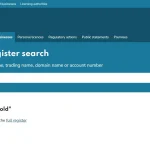
A licence badge is a starting point, not proof that a casino offers the protections you might expect from a UKGC-licensed operator. When checking an Anjouan casino licence, look up the public entry and compare the operator’s name with the company named on the site. Check the licence’s expiry date too. If the details do not match, or you cannot verify them, do not treat the badge as confirmation.
That check has limits. Anjouan’s framework does not require casinos to keep player funds separate from business funds, and it does not mandate RNG testing or audits. A licence therefore does not establish that games have been independently tested or that your balance is protected if the operator fails. You could be an unsecured creditor.
There is also no independent dispute-resolution route comparable to UKGC-approved ADR. The Anjouan authority does not handle, mediate or decide player complaints. The operator must respond to complaints within 30 calendar days, but that is not the same as access to an independent adjudicator.
I used to read “licensed” as shorthand for “someone will sort it out if things go wrong”. That was too generous. For online casino sites outside the UKGC, verify the licence details, but do not mistake verification for a guarantee of segregated funds, tested games or independent help. A badge tells you less than it seems.
Is it legal for a UK player to gamble at an Anjouan-licensed casino?
Yes. UK law does not explicitly prohibit you from using gambling services licensed overseas, and players do not commit a criminal offence by gambling on an unlicensed site. However, an Anjouan licence does not authorise the operator to serve the UK market.
Are non-UK-regulated casinos legal for UK players to use?
UK law does not explicitly prohibit you from using gambling services licensed in other countries, and the Gambling Act 2005 targets operators supplying services to the UK market rather than individual players. Operators serving Great Britain still need a UK Gambling Commission licence.
What is the biggest risk of playing at a non-UK-regulated casino?
You have fewer protections if something goes wrong: these casinos may lack independent dispute resolution, mandatory responsible-gambling tools and access to the UK’s Financial Ombudsman Service. With Anjouan-licensed casinos, player funds are not guaranteed to be segregated, so you may be an unsecured creditor if the operator fails.
Are gaming sites not on GamStop permitted for UK players?
Not being on GamStop means the site is outside the UK Gambling Commission’s self-exclusion scheme. UK law does not explicitly prohibit you from using overseas gambling services, but operators serving Great Britain need a UK Gambling Commission licence.
What Are Non UK Regulated Casinos?
They are online gambling sites that are not overseen by the UK Gambling Commission. Some hold licences from other jurisdictions, such as Malta, Curaçao, Gibraltar or Anjouan.
Safety

Anjouan Casino Licence UK: Legal Status and Limits
Anjouan licensing does not authorise service in Great Britain; operators serving that market need permission...

Foreign Casinos for UK Players: Rules and Risks
A practical guide to offshore licensing, account checks, bonus conditions and withdrawals for players in...

International Casinos for UK Players: Rules and Risks
A practical guide to UKGC status, player protections, bonus terms, crypto value and payment risks...

Offshore Casino Sites for UK Players: What to Know
A practical look at licensing, payment trade-offs, bonuses and identity checks, without treating a casino...

Offshore casinos for UK players: what to check
A practical look at licence status, bonus conditions, crypto value changes and the steps between...

British Casinos Not on GamStop: What to Know
The guide distinguishes GamStop coverage from trustworthiness and examines licensing, safeguards, bonus terms and withdrawal...

Casino sites not registered with GamStop: what to know
The guide distinguishes non-participation in GamStop from UKGC oversight and examines the limits of licensing,...

Casino Without a Swedish Licence: UK Rules Explained
A practical explanation of UKGC oversight, foreign licences, self-exclusion, bonus terms and the risks of...

Casinos That Bypass GamStop: What UK Players Should Know
GamStop participation, UK Gambling Commission oversight and offshore access are separate issues, so the label...

Curaçao Casino Licence UK: What the Label Means
A Curaçao label identifies a claimed licensing jurisdiction, not UK Gambling Commission regulation or identical...

Gibraltar Casino Licence: UK Rules Explained
A Gibraltar licence may describe an operator’s base, but it does not show that the...

Merkur Casino Online UK: Rules and Demo Play
A practical look at UK availability, demo play, stakes, domains and the terms attached to...

Most Trustworthy Online Casinos in the UK: What to Check
A practical way to assess licensing, safer-play safeguards, payment labels and bonus terms without treating...

Non-Gamban Casinos in the UK: What the Label Means
A casino’s availability outside a blocking tool does not establish its safety, authorisation, or whether...

Non-GamStop Curaçao Casino Sites: What to Check
A Curaçao label alone does not identify the operator, confirm an active licence or show...

Non-GamStop European Casinos: UK Rules Explained
A casino’s European base does not establish that it can legally serve customers in Britain;...

Non-UK Licence Casinos: What the Licence Means
A licence links an operator to a regulator’s rules, but an overseas licence does not...

Non-UK-Registered Casinos: What UK Players Should Know
A foreign licence does not mean the UK Gambling Commission oversees a casino, and GamStop...

Non-UK-Regulated Casinos: Rules for UK Players
Understand how UKGC oversight differs from overseas licensing and what that distinction means for players...

Malta MGA Licence for UK Online Casinos Explained
A Malta address or MGA licence does not settle whether a casino can serve Great...

Online slots not on GamStop: what it means
GamStop applies to participating gambling establishments, not individual game titles, so a provider name or...

Safe Online Casino UK: Licence, Payments and Checks
A practical way to assess licensing, bonus terms, payment routes, withdrawals and affordability checks before...

Trusted casinos not on GamStop UK: what to check
A practical look at licensing, payouts, bonuses and the limits of reputation claims at casinos...

Trusted UK Casino: Check the Licence and Terms
A practical guide to licensing, account checks, bonus terms, apps, crypto payments and withdrawal conditions...

USA Casinos for UK Players: Licensing and Safety
The label does not prove US ownership or UK approval; licensing, deposits, bonuses and withdrawals...

VPN-Friendly Casinos in the UK: What to Check
A casino may accept VPN connections while still applying its own terms, identity checks and...