Best Bonus Buy Slots UK: Features and Demo Play
 Available in GB

Explore how feature buys work, what demos can show and why slot variance matters when a session involves real money.
Table of Contents
- Try the Bonus Round in Demo Mode—Without Mistaking It for Cash
- What a Bonus-Buy Casino Needs to Get Right
- What You’re Actually Buying When You Buy a Feature
- Slots with a Buy Feature: Check the Game, Not Just the Button
- Bonus-Buy Slots and the Reality of Long Sessions
- Free Play: Useful Practice, Fake Money
- Playing Bonus-Buy Slots Online in Britain
- How Slot Variance Shapes a Bonus-Buy Session
- Finding Slots Where You Can Buy the Bonus
- Bonus Buys Are for Slots, Not Live Casino Tables
Try the Bonus Round in Demo Mode—Without Mistaking It for Cash
A demo can be useful when you want to see what a bonus-buy feature actually looks like before deciding whether you want to play that slot for real money. The point is not to prove that the feature is worth buying. It is to inspect the route into the bonus round: what the game shows you, what changes on screen, and whether the feature is even available in the version you can open.
I used to treat a demo balance as if it were a harmless preview of a real session. That was my mistake. Fake credits make it easy to click through a feature without feeling the cost, and any result you see is still only part of a demonstration. The balance is not money, and a demo win cannot be withdrawn or turned into a real-money payout. Keep that boundary clear.
What to look for in the demo
Open the slot and look for its feature-buy control or an in-game menu that explains available features. The wording and placement can vary from game to game. Some demos may let you enter the bonus round through a buy option; others may show the feature but leave the purchase control unavailable. If you cannot find a working option, do not assume you have missed something. The demo may simply not expose it.
When you’re exploring bonus buy slots in the UK, payout information can be one useful part of your decision. Use the listed payout speed as a reference, while checking the details of any bonus buy offer separately.
1. x3bet
Payout speed: 1-3 business days x3bet has a listed payout speed of 1–3 business days.
2. EvoSpin
Payout speed: 1-3 business days EvoSpin has a listed payout speed of 1–3 business days.
3. BeOnBet
Payout speed: 1-3 business days BeOnBet has a listed payout speed of 1–3 business days.
4. NightLuck
Payout speed: 1-3 business days NightLuck has a listed payout speed of 1–3 business days.
5. Revery Play
Payout speed: 1-3 business days Revery Play has a listed payout speed of 1–3 business days.
6. Chanze
Payout speed: 1-3 business days Chanze has a listed payout speed of 1–3 business days.
7. Britsino
Payout speed: 1-3 business days Britsino has a listed payout speed of 1–3 business days.
8. SpinFormula
Payout speed: 1-3 business days SpinFormula has a listed payout speed of 1–3 business days.
9. SlotoSport
Payout speed: 1-3 business days SlotoSport has a listed payout speed of 1–3 business days.
10. WinBeast
Payout speed: 1-3 business days WinBeast has a listed payout speed of 1–3 business days.
If the option is there, slow down before activating it. Read the displayed description and check what the game says will happen next. Does the screen explain how the bonus starts? Does it show which round you are entering? Are there choices or steps once the feature begins? A few moments spent reading can tell you more than repeatedly pressing buttons and watching the balance change.
Then follow the bonus itself. Notice how the game presents its stages, what prompts appear, and how it indicates that the round has ended. If the feature includes a choice, see whether the game explains the options before you select one. If it has a clear sequence, note where the transitions happen. You are learning the interface and the structure of this particular bonus, not uncovering a dependable way to get a good result.
That distinction matters. A demo lets you look at how a feature behaves on screen; it cannot tell you what a future real-money round will pay. One impressive-looking outcome is just one demo outcome. It is not a preview of your next session, a promise from the game, or evidence that buying the bonus is a sound decision. “Instant access” sounds tidy. It still means stepping straight into a feature whose result is uncertain.
Make the test specific
I get more out of a demo when I decide what I want to learn before clicking around. Maybe the bonus round’s rules are unclear, or I want to know whether it starts immediately after selecting the feature. Maybe I want to see how the game displays a multiplier or how it signals the end of the round. Keep the test to those details. Otherwise, it is easy to drift into playing for the sake of watching a fake balance rise and fall.
Fast Payout Online Casinos in the UK: Reading the Claims
It also helps to separate the button from the explanation. A buy control tells you that the game offers a route into a feature; the rules panel or on-screen text should explain what that route does. If the description is vague, or you cannot tell which bonus is being activated, do not fill in the gaps with assumptions. Close the panel, check the game’s own help screens, and see whether the demo gives a clearer explanation there.
You can also use the demo to check the presentation. Is the bonus round easy to follow? Are the prompts readable? Does the game make it clear when you are still in the feature and when it has returned to the base game? Those details are not a forecast of returns, but they can help you decide whether you understand what is happening before you put real money at risk.
Treat demo results as demonstrations
The most misleading part of a demo is often how little it seems to cost you. You can trigger the feature, see an exciting animation, and receive a large-looking result without losing real money. That can make the feature feel more attractive than it would if every click came from your own balance. I have been caught by that feeling. It is a poor guide to what I should do next.
Attention: A demo win cannot be withdrawn or turned into a real-money payout. Fake credits are a tool for inspection, not a preview of future winnings.
So use a bonus-buy demo as a viewing tool, not a rehearsal for winning. It can show the feature’s layout and sequence, and it can help you understand the game’s own instructions. It cannot remove uncertainty, establish how the feature will perform in real-money play, or create a payout. When you leave the demo, leave its balance behind too. Fake money. No cash out.
What a Bonus-Buy Casino Needs to Get Right
A casino can put a feature-buy button front and centre and still be the wrong place to deposit. I’ve learned to look past the game lobby and check the operator first. A polished site tells you how it wants to be seen; it doesn’t tell you whether the business is authorised to offer gambling to people here.
In Great Britain, the UK Gambling Commission regulates commercial gambling, including remote gambling offered to consumers. That requirement follows the service, not the location of the operator’s equipment. The Commission is the sole regulator for commercial gambling in Great Britain. It issues operating licences to businesses, as well as personal licences to individuals in relevant roles.
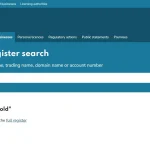
Before depositing, I search the UK Gambling Commission’s public register for the operator and check that its operating licence is current. I compare the legal business name on the register with the name in the casino’s terms and conditions. If the site uses a trading name, I look for an explanation of which company runs it. A logo or a line saying “licensed” is not the check; the register is.
3-Reel Slots in the UK: Online Play Explained
This is a small step, but it catches an easy mistake: assuming that a site is locally regulated because it accepts British customers or displays familiar payment options. If I can’t connect the casino to a current licence, I don’t treat its own claim as proof. I leave the deposit alone. No clever bonus offer fixes that.
Read the account rules before funding it
I also scan the terms that affect the account, rather than only the promotion. Operators must verify a customer’s age before allowing a deposit, and a new customer should be prompted to set a financial limit before the first deposit. I check whether the account controls make it possible to review or change limits later. These are practical signs of how the operator handles safeguards, not decorative links at the bottom of a page.
Payment rules matter too. UK-licensed casinos cannot accept credit cards for gambling, including credit-card funds routed through a money service business. A wallet does not sidestep that rule if it lets credit-card money be used for gambling. If a payment option is unclear, I check the casino’s explanation before transferring funds rather than assuming every route works the same way.
Then I find the responsible-gambling tools and the complaints information. A UKGC-licensed casino must provide tools that include self-exclusion. It must also have an internal complaints process and access to an approved Alternative Dispute Resolution service. I want to know where those pages are before I need them. When something goes wrong, hunting through a site in a bad mood is a poor plan.
Checking Your Casino
- Search the UK Gambling Commission’s public register for the operator.
- Compare the legal business name on the register with the casino’s T&Cs.
- Verify that the operator is currently licensed.
- Check for the availability of self-exclusion and responsible gambling tools.
- Locate the internal complaints process and approved ADR service.
Notice what the licence does—and doesn’t—tell you
A licence is a threshold check, not a verdict that every game or offer will suit you. It tells you that the operator is within the relevant regulatory system; it doesn’t make a deposit risk-free or turn promotional wording into a promise. I still read the specific offer terms and account rules, and I don’t let a countdown or a “special” label hurry me into funding an account.
I’ve been tempted by a tidy-looking deal and only later gone looking for the conditions. That order is backwards. Check who operates the site, confirm the licence on the public register, and make sure the account protections and complaint route are visible. Then decide whether you want to play at all.
For a UK player comparing casinos with a bonus-buy option, these checks are more useful than a banner promising a bigger experience. The feature can wait. The operator comes first. No shortcuts.
What You’re Actually Buying When You Buy a Feature
A bonus-buy button can make a slot look as though it is selling you a shortcut. That is close, but not quite. You are paying for the game to trigger a particular feature, such as a bonus round, instead of waiting for the game’s ordinary conditions to bring it into play. You are not buying a guaranteed win.
I used to read the button as a kind of promise: pay the displayed cost, skip the slow bit, collect the exciting part. The first two steps may be what happens; the last one is not promised. The feature can end with a return, a small one, or no return that outweighs what it cost to start. “Instant bonus” means instant access to the feature, not instant profit.
RTP Casino Slots in the UK: How to Compare Returns
The purchase is part of the slot’s rules
A slot sets the terms. The game’s information panel or rules should explain what the buy option triggers, what it costs relative to the stake, and whether there is more than one feature available to purchase. Those details matter because “bonus buy” is not one standard mechanic shared by every game.
The price is charged as part of play. In exchange, the slot moves you into the specified feature rather than making you wait for its normal trigger. Depending on the game, that could mean entering free spins, a special round, or another feature described in its rules. The purchase does not change what the feature can award or promise that it will return the cost.
That distinction is easy to lose when the screen is dressed up like a shop. You see a price and a named feature, and your brain starts treating the feature as something already won. It is still a game outcome, governed by that slot’s rules. You have paid to reach that outcome, not to dictate it.
An ordinary bonus is not necessarily a bonus buy
A slot can include bonus rounds without offering a way to purchase them. In ordinary play, a bonus might be triggered when the symbols or conditions specified by the game appear. With a buy option, the player can pay to enter a feature directly, if the game provides that choice.
So the phrase “bonus” can refer to the round itself, while “bonus buy” describes a route into it. The names can sound interchangeable on a screen, but the distinction is useful: one is a feature within the slot; the other is an optional way to access that feature. Read the game’s wording rather than assuming every bonus can be purchased, or that every purchase leads to the same kind of round.
Do
- Read the game’s information panel for buy costs.
- Use the rules to identify which feature is being activated.
- Treat the purchase as a way to enter a feature directly.
Don’t
- Assume a bonus buy guarantees a win.
- Treat the bonus-buy button as a promise of profit.
- Assume every bonus round can be purchased.
There may also be more than one purchasable feature in a slot, each with its own stated effect and price. A higher-priced choice should not be read as a better result. It means the game is offering a different entry or feature configuration; the rules are where you find what changes.
The reel layout does not tell the whole story
The buy feature sits on top of the slot’s underlying structure. A five-reel slot can apply a bet across all five reels, while its bonus round may use a separate set of rules. A feature purchase does not turn the slot into a different product: paylines, symbols, and the stated feature conditions still belong to that game.
I find it helps to separate three things before pressing anything: the cost of entering, the feature the game says it will start, and the possible outcomes once it begins. The button itself is only the doorway. The rules describe the room.
A bonus buy can remove the wait for a trigger. It cannot remove uncertainty from what follows. That is the whole catch.
Slots with a Buy Feature: Check the Game, Not Just the Button
A bonus-buy label can make a slot look simpler than it is. I’ve clicked through to a game, spotted a tempting feature button and only then realised I hadn’t checked what the game counted as a bet. The button is part of that particular slot’s setup; it doesn’t tell you everything you need to know about the reels, stake or rules.
Start with the game’s own information panel. Look for the rules or paytable, then check how the stake is described and whether the feature is available at the stake you have selected. Games can present their controls differently, so don’t assume that a button in one slot works like the one in another. If the wording is unclear, pause rather than relying on a label or icon to explain the cost.
High RTP Slots in the UK: How RTP Works
The reel layout matters too. A 5 reel slot game can have a bet applied across all five reels. That’s worth noticing before you change the stake or choose a feature: the amount shown may relate to the game’s full setup, not to a single reel. Read the game’s own stake display alongside its rules, and make sure you understand what a spin or feature choice would commit you to.
I find it helpful to inspect the screen in a deliberate order: identify the stake control, check the displayed bet, then read the feature information. If the game has separate symbols, paylines or ways to win, the paytable should explain what applies. Don’t assume that the feature button replaces the normal controls or that its label spells out every condition. It may only name the option.
A feature can also be presented in a way that makes it visually prominent while leaving the important details elsewhere in the game menu. That is when I slow down. A bright button is not a substitute for readable rules. If I can’t tell what the displayed stake covers, or what selecting the feature does to it, I don’t press it until I can.
This is not about finding a universal sign that identifies every slot with a buy option. There isn’t one interface to memorise. One game may make the option easy to spot; another may tuck it among its controls or explain it in the information panel. The reliable check is the individual game’s wording, not a familiar-looking button copied from somewhere else.
Inspecting a Slot
Identify the stake control
Locate where the bet is managed on the screen.
Check the displayed bet
Confirm the amount currently committed for a spin.
Read the feature information
Open the rules or paytable to see what the bonus-buy button actually triggers.
I’ve learned not to treat a slot title, thumbnail or promotional tag as a description of its actual controls. Once the game opens, check the game itself. Read the rules, inspect the bet display and confirm how the reels are covered. Only then do you know what the screen is asking you to choose. A quick look can prevent a very avoidable misunderstanding.
Bonus-Buy Slots and the Reality of Long Sessions
A bonus buy can make a slot session feel more intense because you reach a feature without waiting for it to appear naturally. That can also make the balance move sharply. I learned not to treat the feature as a shortcut to a good result: buying access changes when the bonus happens, not whether it will pay enough to cover what I spent.
Variance is the unevenness of results. Some slots return value through many smaller wins; others pay less often, with larger amounts when they do. Neither pattern tells you what the next spin will do. A run of small returns can still leave you down, while a large win can arrive after a stretch of losing spins. Past results do not make the next outcome “due”.
That last idea caught me out. After a string of poor results, I used to think I had earned a better one. I hadn’t. A slot does not remember the money I had already put in, and a bonus round does not owe me a recovery. It is easy to keep playing because the feature feels like a separate event. It isn’t separate from the money spent to reach it.
Online Slots Payout Percentage: What RTP Means
The house edge matters over time. If a game has a positive house edge, its mathematical expectation for the player is negative over enough sessions. That does not mean every session ends in a loss, or that a particular result can be predicted. It means the average effect favours the house over repeated play. A gentle-looking run of small returns does not cancel that underlying cost.
Long sessions can blur that distinction. When I kept going after a feature paid poorly, each new attempt felt like a chance to put things right. In practice, it was more money exposed to the same unfavourable expectation. A win during that stretch could make the session look better, but it would not turn earlier losses into a reason to continue.
I now decide what I can afford to lose before I start, and I stop when that amount is gone. I also avoid raising my stake to chase a result or buying another feature because the last one disappointed me. Those choices do not improve the slot’s odds; they just limit how far I let a session run. No clever timing. No secret pattern.
If you are considering bonus-buy slots in the UK, it helps to think of the purchase as part of your total gambling spend, not as a separate chance with its own promise. A feature can be entertaining and still return less than it cost. Sometimes it pays well; sometimes it does not. I’ve had both outcomes, and neither tells me what the next one will be.
Chasing Losses
Do not raise your stake or buy additional features to recover previous losses. A slot does not remember past money spent and does not owe you a recovery.
The useful question is not whether a long session might eventually produce a memorable win. It might. The question is whether you are comfortable with the cost of continuing when it doesn’t. If the answer depends on winning back what you have already lost, that is a good point to walk away.
Free Play: Useful Practice, Fake Money
Free play can make bonus-buy slots feel familiar without putting your own cash at risk. That is useful, but it has a hard boundary: the balance on screen is fictional, and any winnings stay fictional too. No payout is awarded, whatever the slot displays.
I used to treat a generous-looking free-play balance as a kind of preview. It is not. A long run of pretend wins cannot tell you that a real-money session will go the same way, and a string of losses does not mean a paid session is due to turn around. Free play is not a forecast.
That matters when a buy option is available. In free play, you may be able to try a feature without spending real money, but the result still has no cash value. A big screen win is just part of the game’s presentation; it is not money waiting to be withdrawn. “Risk-free” sounds grand. The risk of losing your deposit is absent because there is no deposit in play; the possibility of receiving a payout is absent too.
There is another gap between pretend play and real-money play: your decisions may change when the balance is not yours. I have clicked through free rounds casually, then found myself much more hesitant when my own money was involved. So free play can tell you whether you enjoy the look and pace of a slot, but it cannot show how you will feel when a real balance rises or falls.
Keno Online Casinos in the UK: How to Compare
Nor should a free-play result be used to judge what a paid session is likely to return. The displayed outcomes belong to that play session. They do not promise that the next one will repeat them, and a large pretend win does not establish that the game is generous. Treat it as entertainment with no financial outcome.
If you are looking for bonus-buy slots in free play, check that the version actually offers the option you want to explore. But keep the purpose modest: you are seeing how the game behaves on screen, not testing a reliable route to a real-money win. If the free version leaves you convinced that a paid feature is “due” to pay, close it and reset your expectations. I have made that leap myself. It is an easy one to make.
Free play is most useful when you can enjoy it for what it is: a way to spend time with a slot without risking cash. It cannot reproduce the personal sting of losing money, and it cannot turn pretend winnings into a payout. Fake balance. Real distinction.
Playing Bonus-Buy Slots Online in Britain
A bonus-buy option does not take a slot outside the rules for online play. You are still playing a slot, and the practical conditions around the game matter whether you spin for the feature or pay to trigger it. I used to focus on the button and ignore the stake shown beside it. That is an easy way to lose track of what a single game cycle costs.
UK Stake Limits
Maximum online slot stakes are £5 per game cycle for players aged 25 or older, and £2 for those aged 18 to 24.
A specialist review reports different maximum online slot stakes in Great Britain according to age: £5 per game cycle for players aged 25 or older, and £2 for those aged 18 to 24. Treat the displayed stake as something to check before you start, especially if buying a feature changes the amount committed for that cycle. The limit is not a suggested budget, and reaching it does not make a session affordable. Set your own stopping point first.
Age also affects whether you can open a gambling account at all. You must be at least 18 to gamble online in the UK, and an operator has to check your age before allowing you to deposit. That check is a condition of access, not a formality to work around.
There are other differences from the old-style slot experience. Online slot autoplay is banned in Britain, so you cannot set a run of spins going unattended. A new game cycle also cannot begin until at least 2.5 seconds have passed from the start of the previous one. That may feel slow when you are keen to reach a feature, but it gives you a moment to notice what you have staked rather than clicking through on autopilot.
Payment options have limits too. UK-licensed casinos cannot accept credit cards for gambling, including credit-card funds routed through a money service business. A wallet cannot be used for gambling if it lets you spend money funded by a credit card. If a payment method seems to blur that line, check how it is funded before using it.
So, are bonus-buy slots banned in Britain? The useful distinction is between the feature and the conditions of play: a buy button does not cancel the rules that apply to online slots. Before using one, check the game’s own stake display and remember that buying access to a bonus is still a gambling decision. No shortcut around the cost.
Fastest Payout Online Casinos in the UK: What to Check
How Slot Variance Shapes a Bonus-Buy Session
Variance is about the shape of returns, not a promise about what your next spin will do. I used to see a run of small wins and think the game was warming up. It wasn’t. A slot’s volatility can give you a rough sense of how wins tend to be spread across play, but it cannot tell you when one will land.
Low-volatility slots tend to distribute returns through more frequent, smaller wins. Across most titles, winning combinations appear every three to six spins on average. That can make a session feel less stop-start: you may see combinations regularly, though that does not mean each one is large or that your balance must rise.
High-volatility slots tend to pay out less often, with larger amounts when wins do arrive. The gaps can feel longer, and a session may seem quiet before a bigger result appears. Or it may stay quiet. “Bigger wins” describes the pattern, not a guarantee that you will get one.
That contrast matters when you’re looking at bonus buy slot games. A feature round can sit inside a low- or high-volatility game, and the label gives you a clue about the game’s wider rhythm—not a forecast for that round. I once treated a quiet stretch as evidence that a big result was due. That was just me turning impatience into a theory.
It also helps to separate a winning combination from a satisfying session. Seeing combinations more often does not automatically make a game feel generous, while fewer, larger payouts can make a high-volatility session feel dramatic. Neither pattern tells you what your own results will be.
Low Volatility
Returns are distributed through more frequent, smaller wins, making the session feel less stop-start.
High Volatility
Wins occur less often but can be larger, resulting in longer gaps between payouts.
If you prefer a steadier flow of smaller returns, low volatility may suit your temperament better. If you can tolerate longer gaps between wins, high volatility may feel less frustrating. Those are preferences, not ways to improve the odds. The game’s rhythm is not a signal to increase your stake or keep playing until a result appears.
I now look at volatility as a description of how wins are distributed, not a promise hidden in the game. That distinction is easy to forget when a session gets tense. Worth remembering.
Finding Slots Where You Can Buy the Bonus
A slot’s name or thumbnail won’t tell you whether it has a bonus-buy option. I’ve wasted time opening games because the lobby tile made the feature look obvious, only to find no buy control once the game loaded. Start with the game’s own information: look for terms such as “bonus buy” or “feature buy” in its rules, help screen or paytable.
Then check the game itself. A purchase control may sit in a feature menu rather than beside the spin button, and it can be easy to miss if you’re scanning the screen quickly. Read the labels and any on-screen conditions before tapping. If the game offers a buy option, it should show what you’re selecting and the cost before you confirm. Don’t treat a decorative bonus symbol or a promotional image as proof that you can purchase the feature.
The casino lobby can help narrow things down, but filters and category names aren’t dependable evidence on their own. A label like “bonus buy” might describe a collection, not every game inside it. Open the specific slot and verify the option there. If the rules and controls don’t mention a buy feature, assume it isn’t available in that game rather than trying random buttons.
You may also find that the same title is presented differently across sites or versions. So I check the actual game screen where I plan to play, not an old screenshot, review or list of slots. A feature shown in someone else’s version may not be present in yours.
UK Casino First-Deposit Bonus: Terms to Check
If you’re trying to work out what slots let you buy a bonus in the UK, the reliable answer is the individual game’s rules and live interface—not a broad promise about a provider or a lobby category. Take a moment to read the confirmation screen, too. That catches the difference between opening a feature menu and committing to a purchase.
No button, no buy.
Bonus Buys Are for Slots, Not Live Casino Tables
I’ve seen “casino games where you can buy a bonus” used as if it covers the whole casino lobby. It doesn’t. A bonus buy is a feature attached to certain video slots: you pay within the game to enter a specified bonus round instead of waiting for its normal trigger. It isn’t a general casino option.
That distinction matters when you’re browsing. A slot may show a feature-buy choice on its screen or list it in the game information. A live roulette or blackjack table is a different kind of game, run around a table and a live dealer. You place bets on the game’s available outcomes; you don’t purchase a slot’s bonus round.
The word “bonus” can muddy things. A live game might use the word for a promotion or a feature of its own, but that does not make it a bonus-buy slot. I once clicked through a broad casino category expecting the same mechanic everywhere. Wrong game.
If you’re looking for slots where you can buy the bonus, stay within the video-slot category and check each game’s own rules. The casino lobby can group slots and table games under one broad label, but the feature belongs to the individual slot, not to the casino as a whole. Searching for the best slots where you can buy a bonus won’t make a live table qualify.
So, “casino games” is too broad if what you mean is a purchasable slot round. Look for video slots with a clearly described buy feature. Live casino tables are not the place to find it.
Casino Games

Aviator Casino Game UK: Licensing, Play and Risks
A practical overview of licensing, crash-game mechanics, stakes, bonuses and the limits of claims about...

3-Reel Slots in the UK: Online Play Explained
Explore how three-reel slots work online, including real-money limits, free play, familiar symbols, volatility labels...

5-Reel Slots in the UK: How the Games Work
Five reels form one playing area, but grid layouts and symbol rules shape how combinations...
Fast Payout Online Casinos in the UK: Reading the Claims
Casino payout figures can describe game returns or customer payments, while withdrawal speed requires separate,...

UK Casino First-Deposit Bonus: Terms to Check
First-deposit offers can differ in how they are activated, what they include and what conditions...

High-Volatility Slots in the UK: What Volatility Means
Volatility describes the character of a game's returns over time, not its reel layout or...

High RTP Slots in the UK: How RTP Works
RTP describes theoretical returns across extensive play, while individual results can vary sharply from the...

Keno Online Casinos in the UK: How to Compare
Online keno centres on choosing spots from a number card and matching them against a...

Low-Volatility Slots UK: How Payout Patterns Work
Low volatility describes how returns are distributed: smaller wins may appear more often, but there...

Online Slots Payout Percentage: What RTP Means
RTP describes a theoretical return across many wagers, while short sessions can produce results far...

RTP Casino Slots in the UK: How to Compare Returns
RTP describes a game's theoretical return over extensive play, while variance helps explain why individual...

Best Video Slots in the UK: Rules and Risks
A practical look at real-money checks, game mechanics, bonus terms and the limits of free-play...

Casino Dice Games in the UK: How Online Play Works
Online dice formats can differ in their rules, outcomes and payment terms, so a game...

Chicken Road Game at UK Casinos: What to Check
A game name or slot label cannot confirm its mechanics; understand the distinctions between demos,...

Crash Casino Games in the UK: How They Work
Crash games vary by title and casino, so check the specific rules, play options, payment...

Fastest Payout Online Casinos in the UK: What to Check
Payout speed depends on which part of a withdrawal is measured, so advertised timing alone...

Hi-Lo Casino UK: Rules, Versions and Safer Play
Hi-Lo compares each new card with an exposed reference, while rules, formats and pay tables...

JetX Casino Game in the UK: How It Works
A clear look at JetX’s crash-game framing, casino context, demos, bonuses and the distinctions between...

Mines Casino Game UK: Regulation and What to Check
Mines casino options sit across regulated and offshore markets, so game access alone does not...
Online Bingo in the UK: Games, Tickets and Slots
Bingo uses tickets, number draws and shared room play, while slots follow their own rules...

Online Casino Games for Real Cash in the UK
Understand how cash stakes work and what to check in licensing, bonus terms and withdrawals...

Online Casino Without ID in the UK: What to Expect
Signing up without uploading documents does not remove a UK operator’s identity and age-verification duties....

Plinko Casinos in the UK: How Play and Payments Work
Plinko’s bouncing-ball animation is only the show; the game’s rules, outcome method and platform terms...