Gibraltar Casino Licence: UK Rules Explained
 Available in GB

A Gibraltar licence may describe an operator’s base, but it does not show that the service is authorised for customers in Great Britain.
Table of Contents
- Gibraltar Casinos and the UK Licence Question
- What a Gibraltar Licence Does—and Doesn’t—Tell You
- Why Operators Base Online Casinos in Gibraltar
- What People Mean by Gibraltar iGaming Casinos
- Using an Online Casino from the UK: The Legal Position
- How I’d Judge a Casino Site Before Trusting It
- Payments, Verification and the Wait for Your Money
- What “Top” Means When You’re Comparing Sites in 2026
- Real-Money Play: Bonuses, Wagering and the Catch
- New Casinos and the Anjouan Licence Checks I Wouldn’t Skip
Gibraltar Casinos and the UK Licence Question
A casino’s connection with Gibraltar can sound like the answer to a licensing question. It isn’t. A company may describe itself as Gibraltar-based, or point to a Gibraltar online gambling licence, but neither detail by itself shows that it is authorised to take bets from customers in Great Britain.
The rule I keep coming back to is about who the operator serves, not just where its business is located. Operators offering gambling to customers in Great Britain need a licence from the UK Gambling Commission. That requirement applies regardless of the operator’s base. So a Gibraltar address does not replace UK authorisation when a site is serving people in England, Scotland or Wales.
I once treated a place name beside a licence badge as a kind of shortcut: established jurisdiction, therefore safe for me to use. That leap mixes up two separate things. The location or licensing connection may tell you something about the operator, but it does not establish that the UK regulator oversees its service to British customers. A Gibraltar casino online is not automatically a UK-licensed casino.
That distinction matters because “licensed” can sound complete when it is not. A site can have a regulatory connection outside the UK and still be outside the UK Gambling Commission’s oversight. Non-UK-regulated casinos are online gambling sites that operate without that Commission’s oversight. The phrase describes the UK regulatory position; it does not tell you, on its own, what other arrangements a particular operator may claim.
For the UK-facing question, I would separate the claims instead of letting one stand in for another: where the business says it is based, which authority it says licenses it, and whether it holds the UK Gambling Commission licence required to serve Great Britain. Those are not interchangeable boxes. A Gibraltar label answers neither of the last two automatically.
This is the useful way to read “Gibraltar casino license UK 2026”: the words do not mean that a Gibraltar licence is a UK licence, or that a site with a Gibraltar connection has permission to serve Great Britain. If the question is whether a particular casino is UK-regulated, the relevant point is its UK Gambling Commission authorisation—not the country named in its branding, address or other licence claim.
Curaçao Casino Licence UK: What the Label Means
I would not infer approval from a polished footer or a familiar jurisdiction name. That was my mistake: I saw a reassuring label and stopped checking what it actually established. Keep the question narrow. Is the operator authorised by the UK Gambling Commission to serve customers in Great Britain? If the answer is unclear, a Gibraltar connection does not clear it up. It is only a connection.
What a Gibraltar Licence Does—and Doesn’t—Tell You
When a site says it has a Gibraltar casino licence, I read that as a statement about its licensing jurisdiction—not as shorthand for UK Gambling Commission approval. Those are different things. The name on the licence tells you where the operator claims to be regulated; it does not, by itself, establish that the site is overseen by the UK regulator.
Gibraltar is one of several places associated with licensing online gambling businesses. Malta, Curaçao and Anjouan also appear in that wider picture. But grouping these places together can make their rules sound interchangeable. They are not. A Gibraltar licence and an Anjouan casino licence are separate credentials, issued under different frameworks. The word “licensed” alone tells you little about what protections sit behind it.
I used to see a licence badge and treat it like a stamp of approval for the whole experience. That was too simple. It is better to ask what the licence actually covers and which regulator stands behind it. A foreign licence is not UKGC oversight, and a Gibraltar connection does not turn a non-UK-regulated casino into a UK-regulated one. The distinction matters if you are trying to understand which standards apply to the operator.
Anjouan makes the point especially clearly. An Anjouan licence does not authorise an operator to serve markets where it is restricted, including the United Kingdom. Its framework also does not require a casino to join GAMSTOP or offer an independent dispute-resolution process comparable to services approved by the UK Gambling Commission. So, seeing “licensed” on a site is not enough to assume that familiar UK safeguards or routes for raising a dispute are available.
Gibraltar Licence
Describes a claimed licensing connection and the operator’s regulatory home, but is not a substitute for UKGC approval.
Anjouan Licence
Does not authorise service in restricted markets like the UK and lacks mandatory UK safeguards like GAMSTOP.
UKGC Licence
The only authorisation required for operators to legally serve customers in England, Scotland, or Wales.
That is why I would not compare jurisdictions by badge alone. A Gibraltar online casino licence may tell you something about the operator’s regulatory home, but it does not answer every question a UK player might have about oversight. Nor should Anjouan’s rules be treated as a description of Gibraltar’s: differences between licensing systems are exactly why the jurisdiction needs to be identified rather than blurred into a generic “offshore licence”.
The useful takeaway is narrow but important. “Gibraltar-licensed” describes a claimed licensing connection; it is not another way of saying “UKGC-licensed”. Likewise, an Anjouan casino licence has its own limits and should not be read as permission to operate in Britain. I now separate those labels before I give them any weight. Badge first, details after.
Why Operators Base Online Casinos in Gibraltar
When I see a casino described as Gibraltar-based, I treat that as a clue about the business’s location, not a shortcut to understanding who it can serve. The phrase can refer to where an operator is established or runs part of its business. It does not, by itself, explain the arrangement between that company and players in Great Britain.
So why are online casinos based in Gibraltar? The honest answer is that there is no single reason I can assume applies to every operator. A company may choose a particular base for business reasons, but a Gibraltar address alone won’t tell you what those reasons are, how much of the operation is actually there, or which rules apply to customers elsewhere. I’ve learned not to turn a location label into a reassuring story.
International Casinos for UK Players: Rules and Risks
There’s a useful distinction here: business address on one side, market access on the other. An operator can be based in Gibraltar and still need to meet the requirements that apply to a company serving Great Britain. In particular, operators serving customers in Great Britain need a UK Gambling Commission licence regardless of where they are based. The office location doesn’t replace that requirement.
That matters when you come across claims about Gibraltar regulated online casinos or regulated online casinos in Gibraltar. Those phrases can blur two separate questions: where the operator is based, and what authorisation it needs for the market you’re in. I wouldn’t infer the answer to the second question from the first.
I used to read a familiar location as a kind of endorsement. It isn’t one. A Gibraltar connection may be relevant when you’re trying to identify the company behind a site, but it cannot settle whether that site is authorised to serve Great Britain. Check the operator’s actual status for the market, rather than relying on a flag, address or polished “based in Gibraltar” line.
The short version: location is context, not permission. A base can explain where a company operates from; it doesn’t change the rules attached to serving customers in Great Britain.
What People Mean by Gibraltar iGaming Casinos
“Gibraltar casino” sounds like a precise label. In practice, it can describe a connection to Gibraltar without telling you exactly what that connection is. A company might be based there, a site might name Gibraltar as its licensing jurisdiction, or a review might use the phrase loosely. Those are not interchangeable claims.
A site can be based in Gibraltar, licensed in another jurisdiction (such as Malta, Curaçao, or Anjouan), and available to British players, but these three factors are not interchangeable.
I’ve learned not to treat a location in a headline as proof of anything about the site itself. The wording “Gibraltar iGaming casino” can point to an online gambling business associated with Gibraltar, but it does not, on its own, identify the company running the site, establish which licence applies to it, or tell you whether the UK Gambling Commission oversees its services. You need to look beyond the label.
That matters because non-UK-regulated casinos operate without UK Gambling Commission oversight. Such sites may be licensed in jurisdictions including Gibraltar, Malta, Curaçao or Anjouan. The phrase “licensed casino” therefore needs a follow-up: licensed where, and for which operator? A jurisdiction in a description is not the same thing as confirmation that the site has the regulatory status you might assume.
It is easy to blur a few different ideas together: the Gibraltar online casino industry, a business with a Gibraltar connection, and a site available to someone in Britain. They may overlap, but one does not automatically establish the others. Nor does calling a site one of the “top” online casinos in Gibraltar make that description a meaningful verification. “Top” is a sales word unless the underlying claim is clear.
Merkur Casino Online UK: Rules and Demo Play
The same goes for a new site using Gibraltar in its branding or description. Newness and location are not evidence of oversight. I’d want the operator and the licence details to be identifiable, rather than relying on a flag, a footer label or a confident sentence on a review page. If those details are vague, the label has done its job for the advertiser, not for me.
There is a useful distinction between describing a market and describing a particular casino. People may use “Gibraltar online gambling” to talk broadly about businesses and services associated with the jurisdiction. That broad wording cannot tell you whether a specific website is licensed there, whether another jurisdiction is involved, or whether UKGC oversight applies.
So when you see “online casinos in Gibraltar”, read it as a starting point, not a verdict. The words may indicate an association with a gambling jurisdiction; they don’t settle the site’s regulatory position. I used to let a tidy label do the checking for me. It doesn’t.
Using an Online Casino from the UK: The Legal Position
The legal distinction I keep coming back to is who the rules are aimed at. Under the Gambling Act 2005, the focus is on operators supplying gambling services to the UK market, not on punishing individual players. So if you come across a casino connected with Gibraltar, the operator’s position and yours are separate questions.
For businesses taking real-money bets from customers in Great Britain, a licence from the UK Gambling Commission is required, wherever the business itself is based. A licence issued elsewhere does not take the place of that UK authorisation. That is the operator’s obligation; it is not a statement that a player automatically commits an offence by opening an account.
UK law does not set out a specific ban on British citizens using gambling services licensed abroad. More directly, a player who gambles on a site without a UK licence does not commit a criminal offence under UK law. I would not stretch that into “therefore it is all legally approved”, though. The rules for a business serving Great Britain and the criminal liability of a customer are different things.
Legal Distinction
While using a foreign-licensed site may not be a criminal offence for the player, it does not mean the site is legally approved or that you are protected by UK regulators.
That distinction can sound like hair-splitting until you need help. I used to read “not illegal for players” as if it meant a site had the same standing as a UK-licensed casino. It doesn’t. The operator’s duty to hold the right permission remains, and a foreign licence does not turn into UK Gambling Commission oversight just because the site accepts a British customer.
There is another practical boundary: if you use a site outside the UK regulatory system, you should not assume you can take a dispute through the UK regulator’s complaints route. That route is not a general service for every gambling site a person in Britain can reach. Before depositing, make sure you understand which company you are dealing with and what law applies to its service; do not treat a Gibraltar address or a foreign licence as a shortcut to UK authorisation.
So I separate two questions: whether the operator is authorised to serve Great Britain, and whether a player faces criminal punishment for using a foreign site. The first is a licensing requirement for the operator. The second is not the same thing as endorsement or protection. Worth keeping straight.
How I’d Judge a Casino Site Before Trusting It
When I compare a casino site connected with Gibraltar, I try to ignore the comforting labels for a moment. “Trusted” is a claim, not a safeguard. What matters is what happens if you want to stop, need help, or disagree with the operator. I used to treat a polished site as a sign that the awkward bits would be handled properly. That was optimism, not due diligence.
Casino Without a Swedish Licence: UK Rules Explained
My first check is the protection available to me as a player. A non UK regulated casino may apply weaker standards to responsible gambling and the handling of personal information than a UK Gambling Commission-regulated operator. That difference is easy to miss when a site looks slick and its terms are written in reassuring language.
I also wouldn’t assume the tools familiar from regulated UK sites will be there. Playing outside the UK system means giving up access to its mandatory responsible-gambling measures and to the Financial Ombudsman Service. If you rely on those protections, that is not a small trade-off. A responsible-gambling page can sound caring, but it is worth checking which controls you can actually use and what happens when you ask for help.
Read the terms that could matter later
I look for the rules that would affect me if something went wrong, not just the welcome message. The terms should make clear how the operator handles complaints, account access and changes to the service. If the wording is vague, scattered, or difficult to find, I take that as a reason to slow down rather than a puzzle I need to solve after depositing.
I pay attention to the privacy explanation too. A site may collect identity and payment information, so I want to know what it says about using and protecting that data. A privacy policy by itself is not proof of strong protection; it is a starting point for judging whether the operator explains its practices plainly. If I cannot make sense of the policy, I do not assume the uncertainty will favour me.
Do
- Verify if specific responsible-gambling tools are usable
- Check how your personal data is handled in the privacy policy
- Identify the actual complaint and dispute-resolution route
Don’t
- Trust a polished site design as a sign of safety
- Assume a “caring” slogans page equals usable safeguards
- Upload sensitive documents without understanding why they are requested
The same goes for responsible-gambling information. Look for controls and support routes described in practical terms, rather than a general statement that the operator cares about player wellbeing. If a tool is mentioned, check whether the terms explain how it works and whether it applies to your account. A badge or a page of slogans is not the same as a usable safeguard.
Decide what you are willing to give up
I’d write down what matters to me before registering: the ability to set limits, take a break, get support, and raise a complaint through a route I understand. Then I’d compare that list with what the site actually provides. If a protection is absent or unclear, I treat it as unavailable. Hoping it will be sorted out later is how I used to talk myself past warning signs.
There is also the personal-data side of the decision. Consider what information you may be asked to provide and whether you are comfortable sharing it under the operator’s stated privacy arrangements. Do not upload sensitive documents just because a site looks professional; first understand why they are requested and how the operator says it handles them. Those details matter before money or personal information changes hands.
And keep the legal context in view: you are responsible for checking the rules that apply to you and understanding the implications of using an offshore gambling service. A Gibraltar connection alone does not tell you what protections you will receive in practice.
USA Casinos for UK Players: Licensing and Safety
I don’t call a site trustworthy because its homepage says so. I look for clear, usable safeguards and accept that a weaker framework can leave me with fewer options if a dispute or a personal problem arises. If I cannot tell what support exists before signing up, I don’t count on discovering better support afterwards. That’s the check.
Payments, Verification and the Wait for Your Money
Payment logos can make a casino cashier look reassuringly familiar. I used to treat them as a promise: if I could deposit with a method, I assumed I could take winnings out the same way. That assumption is worth dropping, especially at a non-UK-regulated casino. A deposit option does not automatically mean the operator will support it for withdrawals.
Offshore sites may offer card payments, e-wallets, bank transfers and cryptocurrency, sometimes using processors you may not recognise. The route can depend on the operator, your location and the payment provider, so the list on a general information page is not proof that a method is available to you at checkout. Some specialist reviews also report deposits charged to a mobile phone bill or taken from a prepaid balance. Treat that as a possibility at particular sites, not a standard feature of Gibraltar-linked casino companies.
Before depositing, I’d read the cashier’s withdrawal rules, not just scan the deposit buttons. Check whether withdrawals must go back to the original method, whether another route is required, and what identity checks apply. If those terms are vague, or the cashier only explains them after you have paid in, that is a reason to pause. A payment method can be convenient for getting money in and still be useless for getting money out.
Attention: A deposit method available at the cashier does not guarantee that the same method will be supported for your withdrawals.
The advertised payout time is not the whole wait
Reported withdrawal times do not line up neatly. Some descriptions of non-GamStop casinos put payouts at 24 hours to 5 business days, depending on the method. Other accounts warn that a withdrawal at a non-UK-regulated casino can take three or four weeks, with no regulatory clock requiring the operator to finish sooner. Those are conflicting expectations, not a reliable promise that your own payout will arrive within either window.
There can be several stages: the operator reviews the request, asks for documents, approves it, and then the payment provider processes the transfer. A stated processing time may cover only one of those stages. Weekends, bank handling and extra checks can add waiting, and the operator’s terms may allow it to hold a withdrawal while verifying your account. I would not make a deposit on the assumption that a displayed estimate is a firm deadline. It isn’t.
The important distinction is between a normal check that is clearly explained and a process that keeps moving the goalposts. Read the withdrawal terms before you play, save a copy, and keep confirmation of your deposit and request. If support gives you an explanation, keep that too. It is a small bit of admin, but it is better than trying to reconstruct what was promised after a dispute starts.
Safe Online Casino UK: Licence, Payments and Checks
Verification can become the hard part
Identity checks are not automatically a sign that something is wrong. An operator may ask for documents before releasing money, and the request can feel more intrusive than the sign-up process. But specialist reviews have also described cases where offshore operators ask for notarised documents or a video call as part of withdrawal checks. That is an account of reported practice, not something I’d assume every site will require.
Before uploading anything, check what the operator asks for, how it says documents are handled and whether the request matches its published rules. Be cautious about sending sensitive material through an improvised channel or accepting a new demand that has no clear explanation. If you cannot get a straight answer about the check or the payout route, I would not keep adding deposits in the hope that it will sort itself out.
Some non-UK-regulated casinos may have looser payment policies, but that does not remove the risk of delays, a frozen account or prolonged verification. The UK Gambling Commission’s complaint route does not cover a casino outside its system, and an offshore operator may not offer an equivalent independent route. So the practical test is not simply whether the site accepts your card, bank or wallet. It is whether you understand how you can withdraw, what checks may follow, and what you can do if the money does not arrive.
I learned that bit late. Too late.
What “Top” Means When You’re Comparing Sites in 2026
If you’re considering a casino associated with a Gibraltar licence for the UK market in 2026, check the details that matter to you before choosing. These short verdicts highlight the information available for each listed operator.
1. x3bet
Payout speed: 1-3 business days x3bet lists a payout speed of 1–3 business days.
2. EvoSpin
Payout speed: 1-3 business days EvoSpin lists a payout speed of 1–3 business days.
3. BeOnBet
Payout speed: 1-3 business days BeOnBet lists a payout speed of 1–3 business days.
4. NightLuck
Payout speed: 1-3 business days NightLuck lists a payout speed of 1–3 business days.
5. Revery Play
Payout speed: 1-3 business days Revery Play lists a payout speed of 1–3 business days.
6. Chanze
Payout speed: 1-3 business days Chanze lists a payout speed of 1–3 business days.
7. Britsino
Payout speed: 1-3 business days Britsino lists a payout speed of 1–3 business days.
8. SpinFormula
Payout speed: 1-3 business days SpinFormula lists a payout speed of 1–3 business days.
9. SlotoSport
Payout speed: 1-3 business days SlotoSport lists a payout speed of 1–3 business days.
10. WinBeast
Payout speed: 1-3 business days WinBeast lists a payout speed of 1–3 business days.
“Top” is a label, not a finding. When I see it attached to a Gibraltar casino, I want to know what was actually compared: the games, the site’s presentation, or the experience of getting a withdrawal approved. A polished page can make the first two look convincing while telling you very little about the third.
That matters because a ranking can turn a variable experience into a neat row of stars. A site may look straightforward until you try to withdraw a larger win, then discover a limit or a condition that was easy to miss before depositing. I’ve made the mistake of treating a confident verdict as if it had settled those details for me. It hadn’t.
Withdrawal-time claims deserve particular care. Accounts of non-UK-regulated casinos disagree: one describes payouts taking as long as three or four weeks, while another gives a range from 24 hours to five business days. Those are not interchangeable promises, and neither should be read as a guaranteed timetable for a particular casino. The key point is that without a regulatory clock to enforce, a delay may be harder to resolve than a ranking suggests.
Potential Withdrawal Issues
Some non-UK-regulated casinos may implement daily, weekly, or monthly withdrawal caps, meaning large wins might only be paid out in instalments.
Limits can complicate the picture too. One specialist review reports that some non-UK-regulated casinos set daily, weekly or monthly withdrawal caps, meaning a large win may have to be paid out in instalments. That is a report about some sites, not a rule that applies across the board. Still, it is exactly the sort of detail I’d look for in the terms before deciding that a site deserves to be called one of the top online casinos in Gibraltar.
I’d also separate what a ranking can observe from what it cannot. A reviewer can describe a site’s layout or list the withdrawal conditions they found. That does not tell you how your own account will be checked, whether a later request will face extra scrutiny, or how a dispute will be handled. “Highly rated” sounds reassuring. It is not a promise.
When I compare top casino sites associated with Gibraltar, I try to read the withdrawal terms as a test of the recommendation, not as small print to skim after signing up. Look for whether limits are stated plainly, whether instalments are possible, and whether the review explains the basis for its payout claims. If those details are missing, the praise has a blind spot.
I don’t need a grand verdict. I need to know what might happen to my money and what the reviewer has actually established. A list of top Gibraltar online casinos can help you find names to investigate, but it cannot remove the uncertainty around a withdrawal or make an unclear term harmless. Treat the label as a starting point. Not proof.
Real-Money Play: Bonuses, Wagering and the Catch
When I see a welcome offer attached to a Gibraltar-connected casino, I try to ignore the headline until I’ve read the conditions. “Free” can mean a bonus locked behind wagering, with rules that decide what counts, how long you have and how much you can ultimately withdraw. The offer is only as useful as those details.
Wagering is the amount you must stake before bonus-related funds or winnings become withdrawable. The key question is what the multiplier applies to. It might be the bonus alone, or the bonus and your deposit together; an offer may also include free spins in the calculation. Those are very different sums to work through, even where the advertised multiplier looks identical.
A specialist review has reported offshore welcome offers with wagering requirements of 35x or more. The same type of review has described a 40x requirement applied in different ways: to the bonus and deposit combined, to the bonus alone, or to the bonus and free spins together. These are reported examples, not a promise that every operator uses the same terms. Read the offer attached to the account you’re actually opening.
Evaluating Bonuses
Check the Multiplier
Determine if the wagering requirement applies to the bonus alone or the bonus and deposit combined.
Verify Game Contributions
Check which games contribute fully, partly, or not at all toward the wagering goal.
Review Caps and Expiry
Identify any maximum withdrawal limits on bonus winnings and the exact timeframe before the offer expires.
I learned the hard way not to skim the word “wagering”. If the terms do not make clear which funds are counted, or whether a particular game contributes fully, partly or not at all, the headline figure tells you very little. Pause before opting in. A bonus can be optional, and declining it may be simpler than trying to satisfy conditions you don’t understand.
Free spins need their own check. A specialist review has reported requirements of 30–50 times the winnings, alongside withdrawal caps of £5–£50. Those figures should not be treated as fixed rules across real-money online casinos with a Gibraltar connection; the offer’s own terms matter. A cap can also mean that even a strong result from the spins does not translate into an equally large cash withdrawal.
Expiry is another easy detail to miss. A specialist review has reported free-spin packages expiring within 24–72 hours. If you accept an offer, check when the clock starts, whether the spins must be used by a stated time, and what happens to any winnings if you miss it. Don’t assume a package will wait until you feel like playing.
I’d also look for maximum bet conditions while wagering is active, game exclusions, and any rule that voids the promotion if you make a particular kind of play. Those clauses can change the practical value of a bonus just as much as the multiplier. If the terms are scattered across several pages, save or read them before opting in rather than relying on the promotional banner.
There’s no sensible way to call one offer the best real-money casino deal in Gibraltar from its headline alone. Compare the calculation base, eligible games, expiry and cap together. If one of those is unclear, I’d leave the offer alone and judge the site without it. Not worth guessing.
New Casinos and the Anjouan Licence Checks I Wouldn’t Skip
A new casino can look polished before it has any track record. I’ve learned not to treat a fresh design, a familiar game lobby or a confident “licensed” badge as proof that I’ll have much recourse if something goes wrong. The licence jurisdiction matters, and an Anjouan casino licence comes with specific limits worth understanding before you deposit.
Anjouan Casino Licence UK: Legal Status and Limits
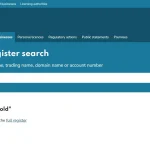
First, check that the casino’s stated licence details match the public register: the operator’s legal name and the licence entry should line up, and the licence should be current. A badge on a website is only a claim until you can connect it to the named business. If the details are missing, inconsistent or hard to verify, I’d take that as a reason to stop rather than fill in the gaps myself.
Then look at what the framework does not promise. Anjouan’s rules do not guarantee that player funds are kept separate from the operator’s money. If the business fails, players may be unsecured creditors, which means there is no assurance their balances will be returned ahead of other claims. That is a serious risk, not fine print.
Complaints need their own check. Anjouan’s authority does not investigate, mediate or decide individual player complaints, and an Anjouan-licensed casino does not provide an independent dispute process comparable to UKGC-approved ADR. The operator is required to respond to a complaint within 30 calendar days under the framework, but a response is not the same as an independent ruling or a route to enforce one.
I would save the terms, licence details and any support messages before playing. If a dispute later turns on what the casino promised or how it handled a request, having a record is better than relying on memory. It still cannot create protections the licence does not provide.
That distinction matters when you’re weighing up a new online casino associated with Gibraltar or another jurisdiction: a location or launch date does not tell you what complaint route exists. And an Anjouan licence should not be read as a guarantee of fund protection or independent help. I would only consider a site after checking who holds the licence and being comfortable with the limits of that framework. No badge does that thinking for me.
What payment options are available at non-UK casinos?
You may find credit cards, e-wallets, bank transfers and cryptocurrencies, often processed through alternative providers. Some casinos also allow deposits charged to your mobile phone bill or deducted from a prepaid balance.
Are non-UK-regulated casinos legal for UK players to use?
You do not commit a criminal offence under UK law by gambling on an unlicensed site, and UK law does not explicitly prohibit British citizens from using gambling services licensed elsewhere. However, operators serving customers in Great Britain need a UK Gambling Commission licence.
Are sites that are not on GamStop legal for players in the UK to access?
You do not commit a criminal offence under UK law by using such a site. Casinos not on GamStop are outside the UK Gambling Commission’s self-exclusion scheme, and operators serving customers in Great Britain need a UK Gambling Commission licence.
Safety

Anjouan Casino Licence UK: Legal Status and Limits
Anjouan licensing does not authorise service in Great Britain; operators serving that market need permission...

Foreign Casinos for UK Players: Rules and Risks
A practical guide to offshore licensing, account checks, bonus conditions and withdrawals for players in...

International Casinos for UK Players: Rules and Risks
A practical guide to UKGC status, player protections, bonus terms, crypto value and payment risks...

Offshore Casino Sites for UK Players: What to Know
A practical look at licensing, payment trade-offs, bonuses and identity checks, without treating a casino...

Offshore casinos for UK players: what to check
A practical look at licence status, bonus conditions, crypto value changes and the steps between...

British Casinos Not on GamStop: What to Know
The guide distinguishes GamStop coverage from trustworthiness and examines licensing, safeguards, bonus terms and withdrawal...

Casino sites not registered with GamStop: what to know
The guide distinguishes non-participation in GamStop from UKGC oversight and examines the limits of licensing,...

Casino Without a Swedish Licence: UK Rules Explained
A practical explanation of UKGC oversight, foreign licences, self-exclusion, bonus terms and the risks of...

Casinos That Bypass GamStop: What UK Players Should Know
GamStop participation, UK Gambling Commission oversight and offshore access are separate issues, so the label...

Curaçao Casino Licence UK: What the Label Means
A Curaçao label identifies a claimed licensing jurisdiction, not UK Gambling Commission regulation or identical...

Merkur Casino Online UK: Rules and Demo Play
A practical look at UK availability, demo play, stakes, domains and the terms attached to...

Most Trustworthy Online Casinos in the UK: What to Check
A practical way to assess licensing, safer-play safeguards, payment labels and bonus terms without treating...

Non-Gamban Casinos in the UK: What the Label Means
A casino’s availability outside a blocking tool does not establish its safety, authorisation, or whether...

Non-GamStop Curaçao Casino Sites: What to Check
A Curaçao label alone does not identify the operator, confirm an active licence or show...

Non-GamStop European Casinos: UK Rules Explained
A casino’s European base does not establish that it can legally serve customers in Britain;...

Non-UK Licence Casinos: What the Licence Means
A licence links an operator to a regulator’s rules, but an overseas licence does not...

Non-UK-Registered Casinos: What UK Players Should Know
A foreign licence does not mean the UK Gambling Commission oversees a casino, and GamStop...

Non-UK-Regulated Casinos: Rules for UK Players
Understand how UKGC oversight differs from overseas licensing and what that distinction means for players...

Non-UKGC Licensed Casinos: What UK Players Should Know
This guide distinguishes UKGC authorisation from other licences and explains what offshore status means for...

Malta MGA Licence for UK Online Casinos Explained
A Malta address or MGA licence does not settle whether a casino can serve Great...

Online slots not on GamStop: what it means
GamStop applies to participating gambling establishments, not individual game titles, so a provider name or...

Safe Online Casino UK: Licence, Payments and Checks
A practical way to assess licensing, bonus terms, payment routes, withdrawals and affordability checks before...

Trusted casinos not on GamStop UK: what to check
A practical look at licensing, payouts, bonuses and the limits of reputation claims at casinos...

Trusted UK Casino: Check the Licence and Terms
A practical guide to licensing, account checks, bonus terms, apps, crypto payments and withdrawal conditions...

USA Casinos for UK Players: Licensing and Safety
The label does not prove US ownership or UK approval; licensing, deposits, bonuses and withdrawals...

VPN-Friendly Casinos in the UK: What to Check
A casino may accept VPN connections while still applying its own terms, identity checks and...