Most Trustworthy Online Casinos in the UK: What to Check
 Available in GB

A practical way to assess licensing, safer-play safeguards, payment labels and bonus terms without treating trust as a promise.
Table of Contents
- What “Trustworthy” Should Mean in a UK Casino
- The Checks That Separate a Licensed Site from a Safe Bet
- GAMSTOP and the Great Britain Line
- Real-Money Play: Read the Terms Before the Bonus
- Slots: Contribution Rules and the Pace of Play
- Bitcoin Casinos: Check the Operator, Not the Payment Label
- Finding a Good Fit Without a “Best” Promise
- What Casino Reviews Can—and Can’t—Prove
- Can You Trust an Online Casino After It’s Licensed?
- A Short Checklist Before You Sign Up
What “Trustworthy” Should Mean in a UK Casino
When I see a casino call itself “trustworthy”, I don’t take the word as evidence. It is a claim made by the business, and the business has an obvious reason to make it sound convincing. For a casino serving people in Great Britain, I start with a more basic question: does the operator hold the relevant UK Gambling Commission licence?
That is the starting point, not a flourish for a website footer. The Gambling Commission regulates remote gambling offered to consumers in Great Britain. A business offering those facilities needs the relevant licence even if it is based somewhere else. Its address does not change the requirement.
That last part matters because an online casino can look and sound British while its business is located abroad. I used to treat a familiar design, polished wording and confident claims as signs that someone had checked the place out. They are not the same thing as regulatory oversight. The location of the business is not a substitute for the licence required to serve Great Britain.
When choosing an online casino, you may want to consider how quickly withdrawals are processed. These entries note the stated payout speed for each operator.
1. x3bet
Payout speed: 1-3 business days x3bet lists a payout speed of 1–3 business days, giving you a stated timeframe to consider.
2. EvoSpin
Payout speed: 1-3 business days EvoSpin lists a payout speed of 1–3 business days, so you have a stated timeframe for payouts.
3. BeOnBet
Payout speed: 1-3 business days BeOnBet lists a payout speed of 1–3 business days, a useful detail for you to weigh when considering withdrawals.
4. NightLuck
Payout speed: 1-3 business days NightLuck lists a payout speed of 1–3 business days, providing you with a stated timeframe for payouts.
5. Revery Play
Payout speed: 1-3 business days Revery Play lists a payout speed of 1–3 business days, which gives you a timeframe to bear in mind.
6. Chanze
Payout speed: 1-3 business days Chanze lists a payout speed of 1–3 business days, offering you a stated indication of payout timing.
7. Britsino
Payout speed: 1-3 business days Britsino lists a payout speed of 1–3 business days, giving you a stated timeframe to consider for withdrawals.
8. SpinFormula
Payout speed: 1-3 business days SpinFormula lists a payout speed of 1–3 business days, an available detail for you to consider.
9. SlotoSport
Payout speed: 1-3 business days SlotoSport lists a payout speed of 1–3 business days, giving you a stated timeframe for payouts.
10. WinBeast
Payout speed: 1-3 business days WinBeast lists a payout speed of 1–3 business days, providing you with a stated indication of payout timing.
A label is not a standard
“Trusted”, “safe” and “reliable” are easy words to put on a page. On their own, they tell you what an operator wants you to think, not what status it holds. A more useful meaning for a trustworthy online casino begins with whether it is operating within the regulatory system that applies to remote gambling in Great Britain.
I’d keep that distinction in mind when reading casino descriptions. A site may use British language, show familiar payment branding or present itself as a local choice. Those details do not answer the licensing question. Nor does a confident statement on the casino’s own page become independent confirmation just because it is written in a formal tone.
The point is not that every licensed casino will feel the same to every player. “Trustworthy” can also involve what you value in the experience, and that is personal. But before comparing those preferences, there needs to be a clear baseline: an operator serving Great Britain should have the relevant UK Gambling Commission licence. Without that, the word “trustworthy” has no solid regulatory footing.
Where the business is based is not the test
I find this easy to forget because the internet makes location feel blurry. A casino may be run from outside Great Britain and still offer gambling to people here. The rule follows the customers it serves: remote gambling businesses offering facilities to consumers in Great Britain need the relevant UK Gambling Commission licence, regardless of where the business is based.
So I would not treat an overseas company address as proof of wrongdoing by itself, or as proof that everything is in order. The relevant question is whether the business has the licence required for the service it offers to people in Great Britain. The address and the regulatory status are different things.
Offshore Casino Sites for UK Players: What to Know
That is a narrower and more useful test than judging a casino by how British it looks. It also cuts through a lot of presentation. A glossy homepage can be copied; a claim about trust can be made in seconds. The licensing requirement is the part that sets a real threshold for operators serving this market.
What the baseline does—and doesn’t—say
I once confused a reassuring presentation with reassurance I had actually checked. That was a bad shortcut. A licence is a more meaningful starting point because it places the operator within the regulatory framework for remote gambling in Great Britain. But the word “trustworthy” can carry more than one idea, and a licence should not be stretched into a promise that nothing can ever go wrong.
For this first decision, keep the claim modest: a casino serving Great Britain needs the relevant licence, wherever its business is based. That is the baseline for calling it a credible option under the local regulatory system. It does not tell you, by itself, whether the site suits your preferences or whether its marketing language deserves your confidence.
An operator serving Great Britain should hold the relevant UK Gambling Commission licence, regardless of where the business is based.
I would be wary of any description that skips straight to “the most trustworthy” without making clear what that judgement rests on. Trust is not a badge that becomes true through repetition. For a UK-facing casino, the clearest starting point is the regulator responsible for remote gambling offered to consumers in Great Britain. Everything else is a separate judgement. First things first.
The Checks That Separate a Licensed Site from a Safe Bet
A polished registration page can make an account feel settled before you have even opened a game. I used to take a quick sign-up as a good sign. It isn’t much of one. The useful test is what happens when the operator needs to establish who you are, whether you are old enough to play and whether the payment details belong to you.
In Britain, an operator must verify your age before it lets you deposit, and verification has to take place before you can deposit or play. So “we’ll sort that out when you withdraw” should not mean that the basic checks have been put off until later. An operator may still ask for additional information or documents at another point, including when you request a withdrawal.
What you may be asked to provide
Identity checks commonly involve a photo of your passport or driving licence, along with a recent utility bill as proof of address. The operator may also ask questions about payment ownership if it needs to confirm that the account and payment method are yours. These requests can feel like a nuisance, especially if you expected to get straight to the games. They are also a practical part of checking an account, rather than a sign by themselves that something has gone wrong.
Casino Licensing & Safety for UK Players
Before you upload anything, read the instructions on the operator’s own site. Check which document types it accepts, whether it needs the full document in view and how it wants you to submit the images. A photograph with a cut-off edge, glare or blurred text can be hard to assess, even if the document itself is valid. Make sure the details you entered when registering match the information on your documents. If your name or address has changed, ask how to handle that rather than guessing or sending extra personal information the operator has not requested.
I learned not to rush this bit. A failed upload can turn a simple check into a string of messages and waiting. Annoying, but avoidable.
When a check happens matters
There is a difference between the checks needed before gambling and further checks that may happen later. An operator can ask for identity information again when it reviews a withdrawal, or request evidence it did not need at registration. That does not make a vague promise about “instant payouts” meaningful: a pending payment can still be held while the operator resolves an account question.
LeoVegas, for instance, requires identity verification and may ask for photo ID and proof of address dated within three months, with the check commonly arising at the first withdrawal. That example should not be read as permission for an operator to let a customer deposit or play before the required checks are done. It illustrates why you should understand both the initial verification and the possibility of later requests.
Do
- Read instructions on the operator’s site before uploading documents
- Ensure registration details match your identity documents
- Use official websites or apps for uploading sensitive data
Don’t
- Rush the verification process to avoid failed uploads
- Send identity documents via unexpected messages or informal channels
- Assume “instant payouts” mean checks won’t delay your payment
If the site tells you that a check is pending, look for a clear explanation of what is missing and how to provide it. Keep the message and any confirmation that you submitted documents. If the instructions are confusing, contact support through the operator’s official channel and ask a direct question: what is still needed, and what happens next? A useful answer should address your actual problem, not send you around in circles.
Treat document handling as part of trust
You are sharing sensitive information, so do not send identity documents to an address or account supplied in an unexpected message. Sign in through the operator’s official website or app and use the upload route shown there. Be cautious if someone asks you to provide documents through an informal channel without explaining why. The aim is not to avoid legitimate checks; it is to make sure your information goes where you intend it to go.
Pay attention to how the operator describes the process. Can you find the verification instructions before signing up? Does it explain what documents might be accepted and how to contact support if a check fails? Those details do not guarantee a smooth withdrawal, but they make it easier to spot a process that is unclear before you have money tied up in an account.
There is no single document request that proves a casino is trustworthy, and a tidy upload page cannot prove that every later decision will be fair. Verification is one useful safeguard, not a seal of approval. I now judge it by whether the operator explains what it needs, asks for information through a sensible channel and gives a clear response when something needs fixing. Less shine, more substance.
Merkur Casino Online UK: Rules and Demo Play · Anjouan Casino Licence UK: Legal Status and Limits
If you are comparing online casinos, focus on that experience rather than a claim that one is the safest. A trustworthy account should not require you to guess when you will be checked or how to resolve a mismatch. And if you are considering an Ethereum casino, the payment label does not change the need to establish who you are before real-money play; a different payment method is not a substitute for identity checks.
GAMSTOP and the Great Britain Line
“Not on GAMSTOP” can sound like a feature when it appears in a casino advert or search result. I’d read it the other way round. For online gambling operators serving customers in Great Britain under the UK Gambling Commission’s regime, participation in GAMSTOP is compulsory. That requirement took effect on 31 March 2020. A site promoting the absence of that safeguard is not offering a reassuring shortcut; it is giving you a reason to pause and check what market it is actually serving.
GAMSTOP lets a person exclude themselves from online gambling accounts with participating operators. It is a protective measure, not a setting that a casino can quietly switch off for a customer who has enrolled. So a claim that an operator is a trustworthy British casino while also being outside GAMSTOP does not fit the Great Britain regulatory arrangement. Marketing language does not change that.
For operators serving Great Britain, participation in GAMSTOP is compulsory. A site promoting the absence of this safeguard is a major red flag.
I used to treat phrases like “more choice” as if they were automatically good news. They can be a softer way to sell the removal of a boundary. If you have self-excluded, trying to find a site that will let you gamble anyway cuts across the purpose of that decision. If you have not, a site’s claim that it is outside the scheme still tells you nothing useful about whether it is safe or properly authorised for British customers. Different wording, same red flag.
Great Britain and Northern Ireland are not the same line
The Gambling Commission’s remit under the Gambling Act 2005 is for Great Britain: England, Scotland and Wales. Northern Ireland is outside that Commission’s remote-gambling remit, so the same UKGC rules should not be casually presented as covering the whole of the UK in an identical way.
That distinction matters when reading claims about a casino being “UK-facing”. The phrase can blur separate jurisdictions. A rule that applies to an operator serving Great Britain through the UKGC regime does not, by itself, establish how remote gambling is regulated in Northern Ireland. Equally, Northern Ireland’s different position is not a loophole for a casino to claim that it can serve customers in Great Britain without meeting the British requirements.
Casino Without a Swedish Licence: UK Rules Explained
I would not use the jurisdictional difference as a reason to look for a non-GAMSTOP casino. It is there to explain which regulator’s remit applies, not to point you towards an alternative route around self-exclusion. If you are in Northern Ireland, do not assume that a UKGC badge or a reference to GAMSTOP answers every question about the operator’s status there. The boundary is legal, not a recommendation.
What to do with the claim
If a site says it is a trustworthy non-GAMSTOP casino for British players, separate the sales pitch from the actual claim. Is it saying it serves Great Britain? If so, the UKGC regime requires participating online operators to be part of GAMSTOP. If it says it is outside that regime, that is not evidence of trustworthiness for someone in Great Britain.
For someone who has self-excluded, the practical answer is simpler: do not treat a site’s availability as permission to resume. Keep the block in place and use support rather than trying to find a gap in it. The National Gambling Helpline is available around the clock on 0808 8020 133.
No clever workaround. Just a boundary doing its job.
Real-Money Play: Read the Terms Before the Bonus
I used to read the big number on a welcome offer and treat the small print as a formality. That was backwards. A bonus is not money you can simply withdraw: its value depends on what you must do with it, which games count, and whether you can meet the conditions before it expires.
Wagering Calculation
Calculate total stakes
Multiply the bonus amount by the wagering multiple (e.g., £20 bonus × 10x wagering = £200 total stakes required).
Check contribution
Verify which games count toward the total, as some may contribute less or not at all.
Note the deadline
Identify the expiry date (commonly 7 to 30 days) to ensure you can meet the conditions in time.
Take a £20 bonus with 10x wagering. The calculation is £20 multiplied by 10, which means £200 in total stakes before the wagering condition is met. That is the amount wagered across play, not a promise that you will win £200 or have £200 left afterwards. A specialist review gives this as an example of how a wagering multiple works; the offer’s own terms determine what counts and how it applies.
Work out what the wagering applies to
The phrase “10x wagering” is incomplete on its own. Check whether the multiple applies to the bonus, your deposit, or the combined amount. If the terms say it applies to both, the required total can be larger than a calculation based on the bonus alone. Don’t assume the headline tells you which version you’re getting.
Then look for the contribution rules. Some games may count differently, or not count at all, so the displayed wagering total might not fall at the same rate while you play. Check the eligible-game list and any maximum stake or other play conditions attached to the offer. A low-looking multiple can still involve a lot of qualifying play if only some of your stakes count.
The wording matters. I’ve skimmed past “eligible games” before, then realised the offer didn’t work the way I’d pictured. Read the terms before opting in, not after you’ve started.
Check who can claim it
A welcome offer may sound open to everyone while being restricted to new customers, or limited to one offer per household. A specialist review describes those as common restrictions on welcome deals, but they are not a substitute for reading the specific promotion’s terms. Check whether you qualify before making a deposit.
Non-Gamban Casinos in the UK: What the Label Means
Payment method can matter too. The same type of review notes that some welcome deals exclude particular methods, including e-wallets. Don’t assume that a method available for deposits is eligible for a bonus—or that deposit and withdrawal availability are the same. The promotion terms should say which payment methods qualify.
Also check whether you have to opt in, when the bonus is credited, and what happens if you withdraw before completing the conditions. These details can change the practical value of an offer more than its headline suggests.
Put the expiry date in view
Bonus funds and free spins are not necessarily available indefinitely. A specialist review describes expiry periods commonly ranging from 7 to 30 days, but the clock and deadline for a particular offer are set by its own terms. Look for when the period begins and what happens to unused bonus funds or spins once it ends.
If the time limit would push you to play more than you intended, the offer may not suit you. That’s a valid reason to leave it alone. Wager-free spins avoid a wagering requirement on those spins, but still check their eligibility, expiry and any other conditions before accepting them.
My rule now is simple: calculate the required stakes, confirm what games and payments qualify, and note the expiry before I decide whether the bonus is worth taking. If any part is unclear, I don’t count the headline as the answer. Fine print first.
Bonus Checks
- Calculate the total required stakes before opting in
- Confirm which games and payment methods are eligible
- Note the expiry date for bonus funds and free spins
- Read the fine print before depositing, not after
Slots: Contribution Rules and the Pace of Play
A slot can look like the simplest way to work through a wagering requirement, but the game’s contribution is whatever the offer’s terms say it is. A specialist review reports slots contributing the full amount in the cases it covers, while live tables and blackjack may count for less or not count at all. Treat that as a report about particular terms, not a rule that applies to every casino or promotion.
I’ve made the mistake of seeing “slots count” and assuming every spin would move the requirement along in the same way. Check the promotion’s own game list and contribution table before you play. The wording may distinguish between slot titles, exclude particular games, or give table games a smaller share. If the terms are unclear, ask the operator to explain them before you opt in. A game’s category alone is not enough to tell you how it counts.
There is another limit on how quickly you can play: online slot spins in Britain must each last at least two and a half seconds. Autoplay is banned, so you cannot set a machine to run through spins unattended. That can make a session feel slower than the one-click rhythm some games elsewhere allow. It is deliberate pacing, not a feature you can switch off.
I used to think faster meant better value. It mostly meant I was making decisions without much thought. With manual spins, take the pause between rounds to notice your stake and whether you still want to continue. A steady interface is not a reason to raise your stake or chase a result.
International Casinos for UK Players: Rules and Risks
The maximum stake also depends on age. For players aged 25 and over, the limit is £5 per spin; for those aged 18 to 24, it is £2. These are legal ceilings, not recommended stakes, and a casino may set lower limits. Keep the distinction clear: contribution terms govern how a game counts towards an offer, while spin rules govern how the slot can be played.
For trustworthy online slots, I would look for clear contribution wording and controls that do not obscure the stake or spin pace. “More choice” can be marketing shorthand for a long game list; what matters is whether you can tell what counts before you start. Read the terms, check the game itself, and do not assume that a familiar slot behaves identically across promotions.
Small print matters. The spin still counts as a wager, even if it contributes little towards a bonus. If you would not play the game without the offer, that is worth noticing before you begin.
Bitcoin Casinos: Check the Operator, Not the Payment Label
A Bitcoin logo can make a casino look different from the usual sites, but it does not tell you whether the business is allowed to offer gambling to people in Great Britain. I used to treat a payment option as a useful shortcut: if a site looked modern and took the currency I wanted, I assumed the rest had been checked too. That was the wrong test.
Attention: A Bitcoin logo is merely a payment label; it is not a substitute for a UK Gambling Commission licence.
The relevant question is who runs the casino and whether that operator holds the right UKGC Licence for offering remote gambling to customers in Great Britain. The rule applies regardless of where the business is based. Taking Bitcoin does not replace that requirement or create an exception to it.
That distinction matters because a payment label describes a way of handling funds, not the operator’s regulatory status. It cannot establish that the casino is licensed, that a particular domain belongs to the licensed business, or that the site is a trustworthy place to play. The word “Bitcoin” is not a seal of approval. Just a payment label.
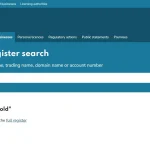
Before you consider depositing, look up the operator on the UK Gambling Commission’s public register and check that the licence details match the business and the casino domain you are visiting. Don’t stop at a logo or a licence number printed on the site: compare the information with the register. If the operator or domain cannot be matched, treat that as a reason to pause rather than filling in the gaps with assumptions.
I would also avoid treating a list of casinos described as “trustworthy” as proof in itself. A list can put a payment method front and centre while leaving the important question—who is legally offering the gambling?—unclear. For a Bitcoin casino, the same standard applies as for any other real-money casino serving Great Britain. The payment method does not make an unlicensed operation acceptable.
Non-GamStop European Casinos: UK Rules Explained
This is not a claim about whether a particular casino currently accepts Bitcoin, or about how any specific payment arrangement works. Those details can change, and the label alone cannot verify them. Keep the checks separate: establish the operator’s UKGC status first, then assess payment terms and practical suitability on their own merits.
If a site presents its currency choice as the main reason to trust it, I’d slow down. For British players, the operator’s regulatory position is the starting point; the payment label comes after.
Finding a Good Fit Without a “Best” Promise
I’m wary of anyone calling a casino the “best” as if we all want the same thing. One person cares about a clear, uncluttered site; another wants games they already know how to use. Neither preference tells you whether the operator is suitable for you.
I’ve been caught by the gap between a polished first impression and the day-to-day experience. A page can look sharp and still make basic account information hard to find. So I’d treat personal fit as a separate question from whether the operator meets the rules: if a business offers real-money gambling to customers in England, Scotland or Wales, it must hold a licence from the UK Gambling Commission (UKGC). That is a baseline, not a personal recommendation.
Think about what you’ll actually use. Can you find account controls without digging? Is the information written plainly enough that you can understand it before committing money? Does the site work comfortably on the device you normally use? These are practical preferences, not proof that a casino is trustworthy. A slick layout is not evidence. Neither is a familiar name.
If a business offers real-money gambling to customers in England, Scotland or Wales, it must hold a licence from the UK Gambling Commission (UKGC).
I’d also be honest with myself about what makes me keep playing. If a busy lobby, constant prompts or a stream of promotions pulls you in when you meant to stop, that is a poor fit, whatever the site’s branding says. “Personalised” can mean tailored to your habits. That is not automatically a perk.
There isn’t one universal winner. Decide which features matter to you, then separate those preferences from checks that have an objective answer. Don’t let a favourite game or a welcome offer do the thinking for you; those can make a site feel right before you’ve judged the rest of it.
My rule is simple: fit is about how a site suits your needs; trust is not a feeling you can get from its design. Keep those judgements apart. Less guesswork.
What Casino Reviews Can—and Can’t—Prove
A casino review can help you find claims worth checking. It cannot turn those claims into proof just by sounding confident. I’ve been caught by the glossy version: a page says “trusted” and “safe”, then offers little more than a list of features and a cheerful verdict. That tells me what the reviewer wants me to think, not whether the details stand up.
Start with the evidence behind the claim. An affiliate review points to the UK Gambling Commission’s public register, which identifies 333casino.com as a White Label domain linked to Grace Media (Gibraltar) Limited, account 57869. That is more useful than a badge copied onto a casino page: it gives you an operator relationship to check in a primary record. But it is a snapshot, not a promise about every aspect of the customer experience. Business arrangements and public listings can change, so check the register itself rather than relying on an old review’s summary.
Offshore casinos for UK players: what to check
There is another reason not to treat “licensed” as a complete review verdict. On 26 June 2025, the Commission fined Grace Media £60,000 over breaches involving self-exclusion and consent for direct electronic marketing. That record does not mean every review of a related domain is wrong, nor does it settle what a player will experience today. It does show why a reviewer’s broad reassurance needs to be compared with regulatory evidence.
I look for a clear distinction between what the reviewer has personally tested, what the operator claims, and what an official record confirms. If a page calls a casino “excellent” but gives no basis for the judgement, treat the adjective as opinion. If it names a company or licence, look for that information in the regulator’s records. If the review is old, check whether its details still match.
Reviews are useful starting points, not endorsements you need to borrow. A calm tone is not evidence. A record you can inspect is.
Can You Trust an Online Casino After It’s Licensed?
A UKGC Licence matters, but it is not a promise that an operator has never made a mistake or that every part of its service will always meet the rules. It tells you the business is within the regulator’s system; it does not turn trust into a box you tick once and forget.
Regulatory enforcement example
On 26 June 2025, the UK Gambling Commission fined Grace Media £60,000 over breaches involving self-exclusion and consent for direct electronic marketing.
I used to read “licensed” as if it meant “nothing can go wrong”. That was too generous. A licence is a meaningful starting point, not a personal guarantee about every decision an operator makes. The regulator can still investigate conduct and impose penalties when rules are breached.
There is a concrete example. On 26 June 2025, the UK Gambling Commission fined Grace Media £60,000 over breaches involving self-exclusion and consent for direct electronic marketing. Those are not minor details for a player: self-exclusion is meant to help someone stop gambling, while marketing consent concerns whether promotional messages should be sent. The case shows why a licence should not be confused with a spotless record.
That does not mean every licensed casino is untrustworthy. It means the useful question is not simply whether a business has a licence, but whether its conduct continues to deserve your confidence. A regulator’s action is evidence of a specific failure, not proof that every customer has had the same experience. I try to keep both points in view. No halo. No leap to panic.
If you see a serious enforcement action, read what it actually concerns and when it happened. A penalty is not a guarantee that the same problem is happening today, but it is a reason to take the operator’s record seriously rather than relying on polished claims. And if a casino’s behaviour leaves you uneasy, you do not owe it another deposit just because it is licensed.
Non-UK Licence Casinos: What the Licence Means
Trust is built from more than permission to operate. The licence sets an important floor; an operator’s actions show whether it is meeting that standard in practice. I’m wary of any “safe” label that asks me to stop looking. A licence deserves attention, not blind faith.
A Short Checklist Before You Sign Up
Before you create an account, pause over the settings you will be asked to choose. A trustworthy casino is not just one that looks polished; it should give you practical control over how much you can spend and make withdrawal checks clear.
- Set a financial limit before depositing. New customers must be prompted to set one before their first deposit, and you should be able to find account-level limit controls afterwards. Pick an amount you can afford to lose, not a figure that assumes you will win it back.
- Know what happens if you change it. Lowering a limit takes effect straight away. Raising one comes with a cooling-off delay, so do not count on being able to increase it immediately. That pause is there to help prevent a snap decision from changing your plan.
- Read the withdrawal information before you play. Check what the casino may ask for when you request your first payout and whether that can add time. A specialist review reports that first withdrawals may involve an extra 12–24 hours for document checks; treat that as a possible delay, not a promise about every account.
- Keep your own record. Note the limit you chose and any change you request. If the account later shows something different, you have a clear point of reference when contacting support.
I used to skip the settings and head straight for the games. That felt quicker, until I wanted to change course and found that the important details were buried in account menus. Take the minute to locate the limits and withdrawal terms before money is involved.
If you cannot find those controls or understand what could delay a withdrawal, stop there and ask support to explain. A clear answer matters more than a glossy welcome screen. If the explanation still feels vague, you do not have to sign up.
Safety

Anjouan Casino Licence UK: Legal Status and Limits
Anjouan licensing does not authorise service in Great Britain; operators serving that market need permission...

Foreign Casinos for UK Players: Rules and Risks
A practical guide to offshore licensing, account checks, bonus conditions and withdrawals for players in...

International Casinos for UK Players: Rules and Risks
A practical guide to UKGC status, player protections, bonus terms, crypto value and payment risks...

Offshore Casino Sites for UK Players: What to Know
A practical look at licensing, payment trade-offs, bonuses and identity checks, without treating a casino...

Offshore casinos for UK players: what to check
A practical look at licence status, bonus conditions, crypto value changes and the steps between...

British Casinos Not on GamStop: What to Know
The guide distinguishes GamStop coverage from trustworthiness and examines licensing, safeguards, bonus terms and withdrawal...

Casino sites not registered with GamStop: what to know
The guide distinguishes non-participation in GamStop from UKGC oversight and examines the limits of licensing,...

Casino Without a Swedish Licence: UK Rules Explained
A practical explanation of UKGC oversight, foreign licences, self-exclusion, bonus terms and the risks of...

Casinos That Bypass GamStop: What UK Players Should Know
GamStop participation, UK Gambling Commission oversight and offshore access are separate issues, so the label...

Curaçao Casino Licence UK: What the Label Means
A Curaçao label identifies a claimed licensing jurisdiction, not UK Gambling Commission regulation or identical...

Gibraltar Casino Licence: UK Rules Explained
A Gibraltar licence may describe an operator’s base, but it does not show that the...

Merkur Casino Online UK: Rules and Demo Play
A practical look at UK availability, demo play, stakes, domains and the terms attached to...

Non-Gamban Casinos in the UK: What the Label Means
A casino’s availability outside a blocking tool does not establish its safety, authorisation, or whether...

Non-GamStop Curaçao Casino Sites: What to Check
A Curaçao label alone does not identify the operator, confirm an active licence or show...

Non-GamStop European Casinos: UK Rules Explained
A casino’s European base does not establish that it can legally serve customers in Britain;...

Non-UK Licence Casinos: What the Licence Means
A licence links an operator to a regulator’s rules, but an overseas licence does not...

Non-UK-Registered Casinos: What UK Players Should Know
A foreign licence does not mean the UK Gambling Commission oversees a casino, and GamStop...

Non-UK-Regulated Casinos: Rules for UK Players
Understand how UKGC oversight differs from overseas licensing and what that distinction means for players...

Non-UKGC Licensed Casinos: What UK Players Should Know
This guide distinguishes UKGC authorisation from other licences and explains what offshore status means for...

Malta MGA Licence for UK Online Casinos Explained
A Malta address or MGA licence does not settle whether a casino can serve Great...

Online slots not on GamStop: what it means
GamStop applies to participating gambling establishments, not individual game titles, so a provider name or...

Safe Online Casino UK: Licence, Payments and Checks
A practical way to assess licensing, bonus terms, payment routes, withdrawals and affordability checks before...

Trusted casinos not on GamStop UK: what to check
A practical look at licensing, payouts, bonuses and the limits of reputation claims at casinos...

Trusted UK Casino: Check the Licence and Terms
A practical guide to licensing, account checks, bonus terms, apps, crypto payments and withdrawal conditions...

USA Casinos for UK Players: Licensing and Safety
The label does not prove US ownership or UK approval; licensing, deposits, bonuses and withdrawals...

VPN-Friendly Casinos in the UK: What to Check
A casino may accept VPN connections while still applying its own terms, identity checks and...