Responsible Gambling
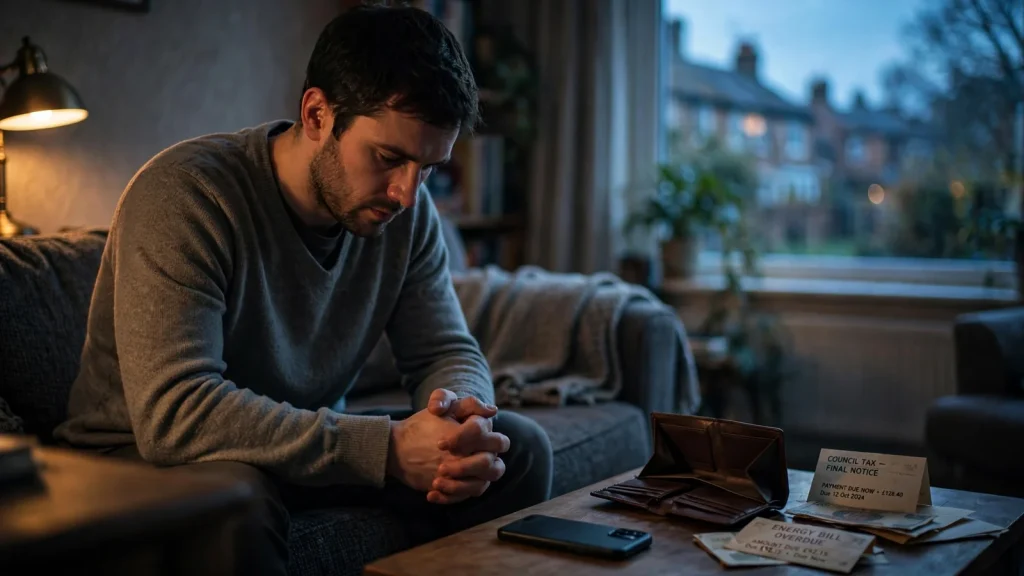
Gambling is entertainment, not a way to earn money and not a solution to money problems. I used to tell myself I was only trying to win back what I’d lost. That was the story, not the maths.
Signs worth taking seriously
A problem can show up in ordinary, observable ways. Notice if you:
- spend more than you planned, or keep going after deciding to stop;
- deposit again soon after losing, trying to recover the money;
- hide gambling or lie about how much time or money it takes;
- borrow, use money meant for bills, or leave bills unpaid because of gambling;
- feel restless or irritable when you try to cut down;
- find yourself checking games or thinking about gambling when you meant to be doing something else;
- keep increasing your stakes to get the same excitement.
You don’t have to wait until every sign applies. If gambling is affecting your money, sleep, work or relationships, treat that as a reason to act. I ignored the small signs because they didn’t look dramatic. That was a mistake.
What you can do now
If you’re logged in, open the casino’s responsible gambling or account settings section. Set a financial limit, lower an existing one, or use the self-exclusion option to block your access. UK-licensed casinos must provide responsible gambling tools, including self-exclusion. Remote operators must prompt new customers to set a financial limit before their first deposit and provide accessible account-level limit controls.
If you’re finding it hard to stop, don’t make the next decision while a game is open. Log out, activate a limit or self-exclusion, and tell someone you trust plainly what has been happening. Ask them to stay with you while you take those steps. That’s more useful than another promise to yourself.
I can’t give you a verified gambling-support organisation, address or phone number here: none was available to verify. Don’t rely on a contact detail you find in an advert or an unverified post. For a problem with an operator, use its internal complaints process; UKGC licensees must also provide access to an approved Alternative Dispute Resolution service. These are routes for complaints, not a substitute for support with gambling itself.
Rules and protections in Britain
Operators must verify a customer’s age before allowing them to deposit into a gambling account. I don’t have a verified minimum-age figure to give you here, so check the operator’s published rules and licence information rather than guessing.
UK-licensed casinos cannot accept credit cards for gambling. Remote operators also cannot accept credit-card payments routed through a money service business, or wallet payments where credit-card funds can be used for gambling. These restrictions can reduce some routes to spending, but they do not make gambling safe or prevent every kind of loss.
Online slot autoplay is banned in Britain, and a slot spin must last at least 2.5 seconds. For online slots, the total stake in a game cycle is capped at £2 for an individual under 25 and £5 for someone aged 25 or older. Those are limits on play, not targets or a reason to gamble.
If you’re already chasing losses, stop the session and use the account controls now. Don’t try to solve a money problem by gambling. That tends to make the problem bigger.